DIVERSITY CREATES DIVERSITY
Diversity Creates Diversity” explores the hidden ecological potential of paving gaps as valuable microhabitats and their role in promoting urban biodiversity.
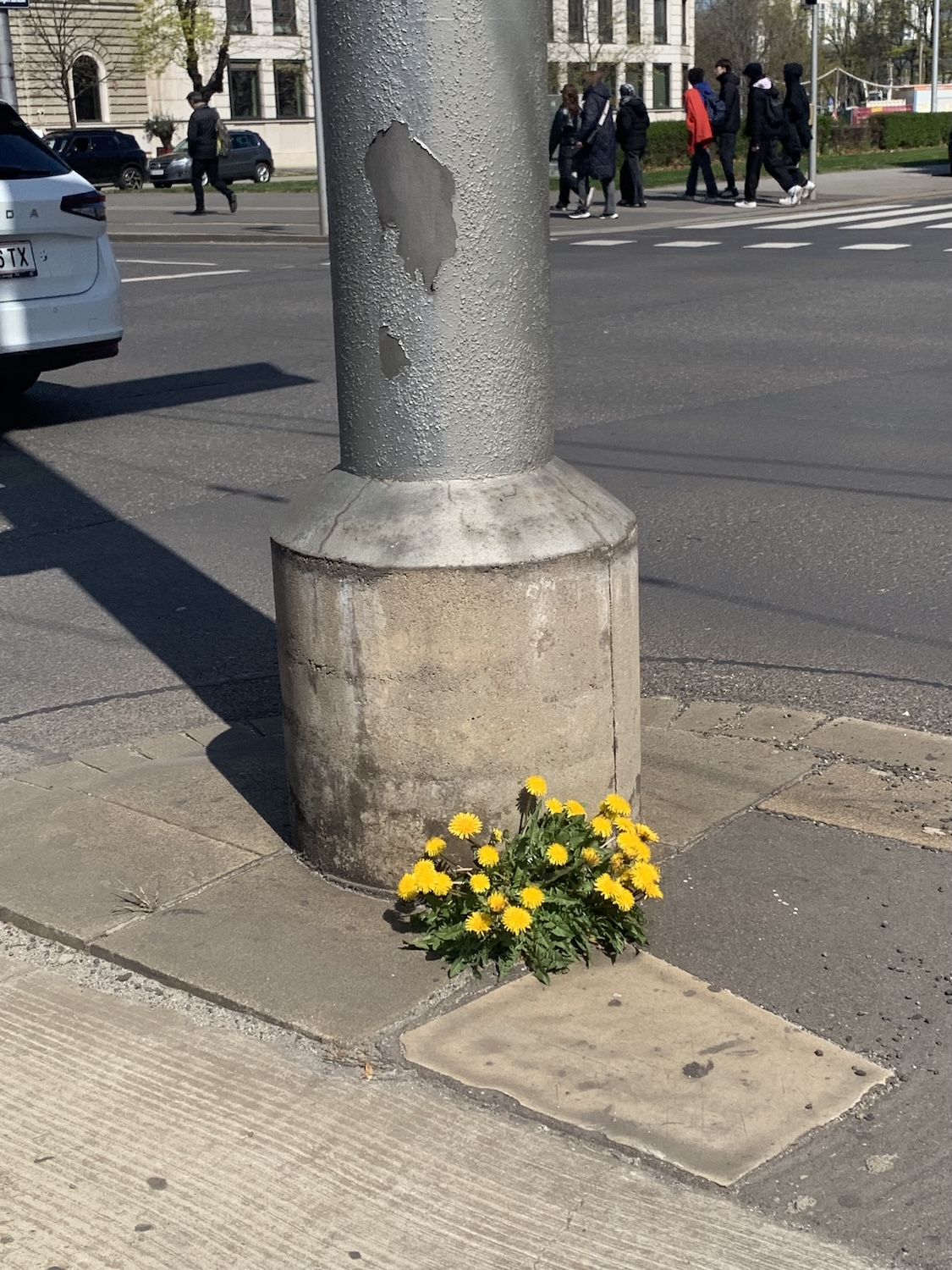
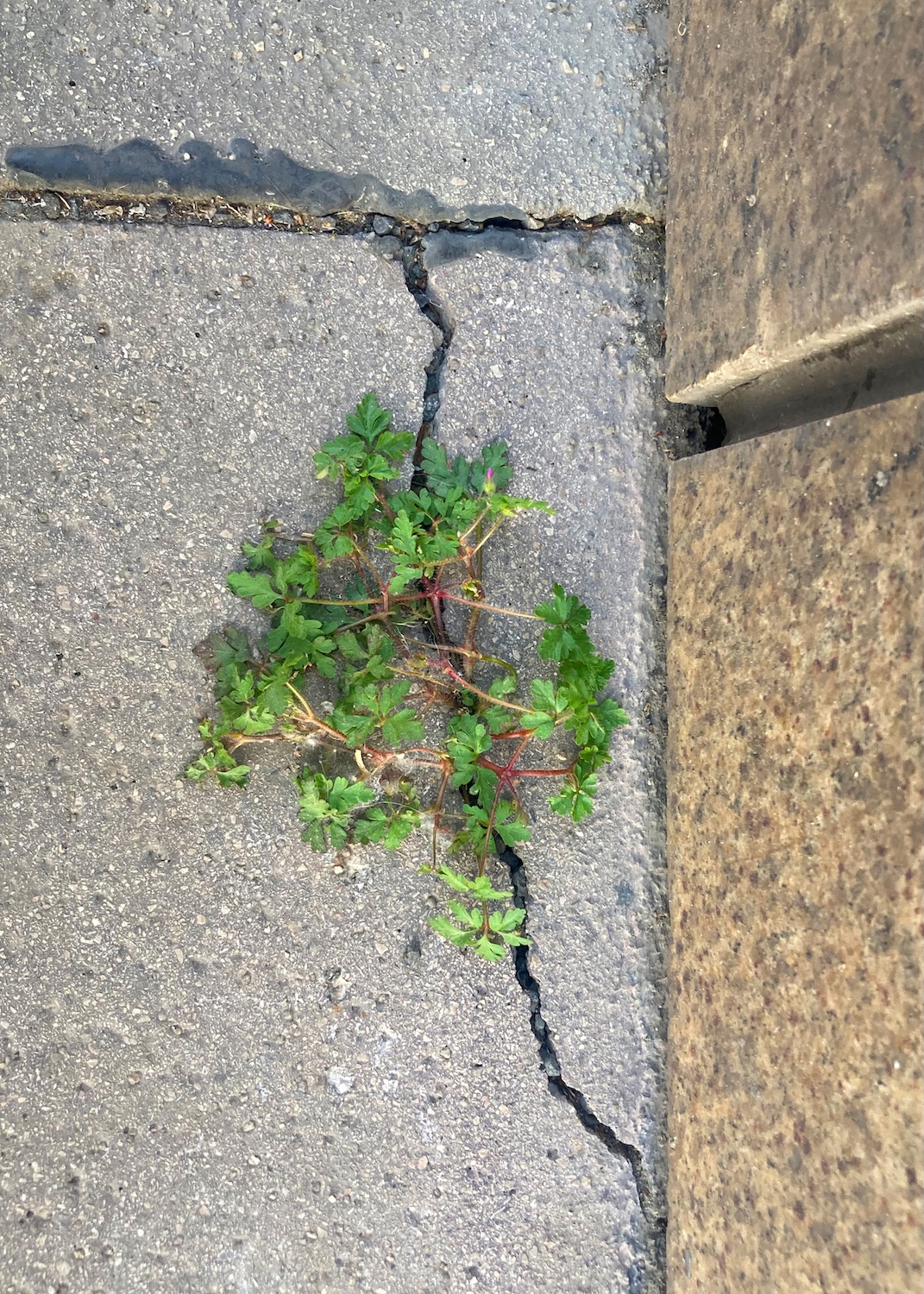
Thanks to their unique microclimate, pavement gaps and asphalt cracks provide unobvious but essential habitats for numerous plant species in urban areas that depend on dry and nutrient-poor sites including endangered species. The vegetation found there is known as spontaneous urban vegetation, or spontaneous flora. It provides food and habitat for countless insects and thus contributes significantly to urban biodiversity. It also reduces the warming of sealed surfaces and acts as a bridging biotope to counteract habitat fragmentation.
1 / 3
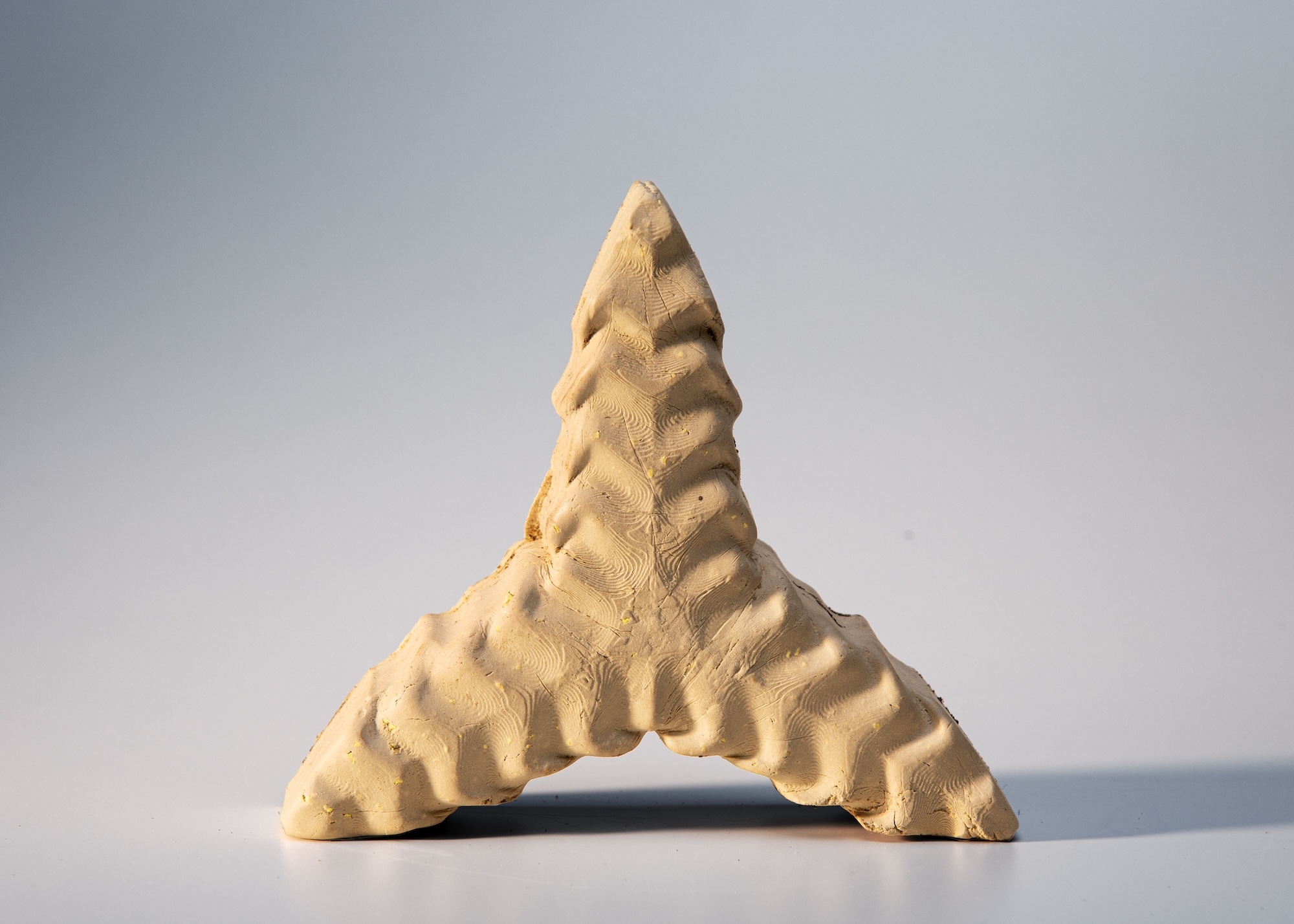
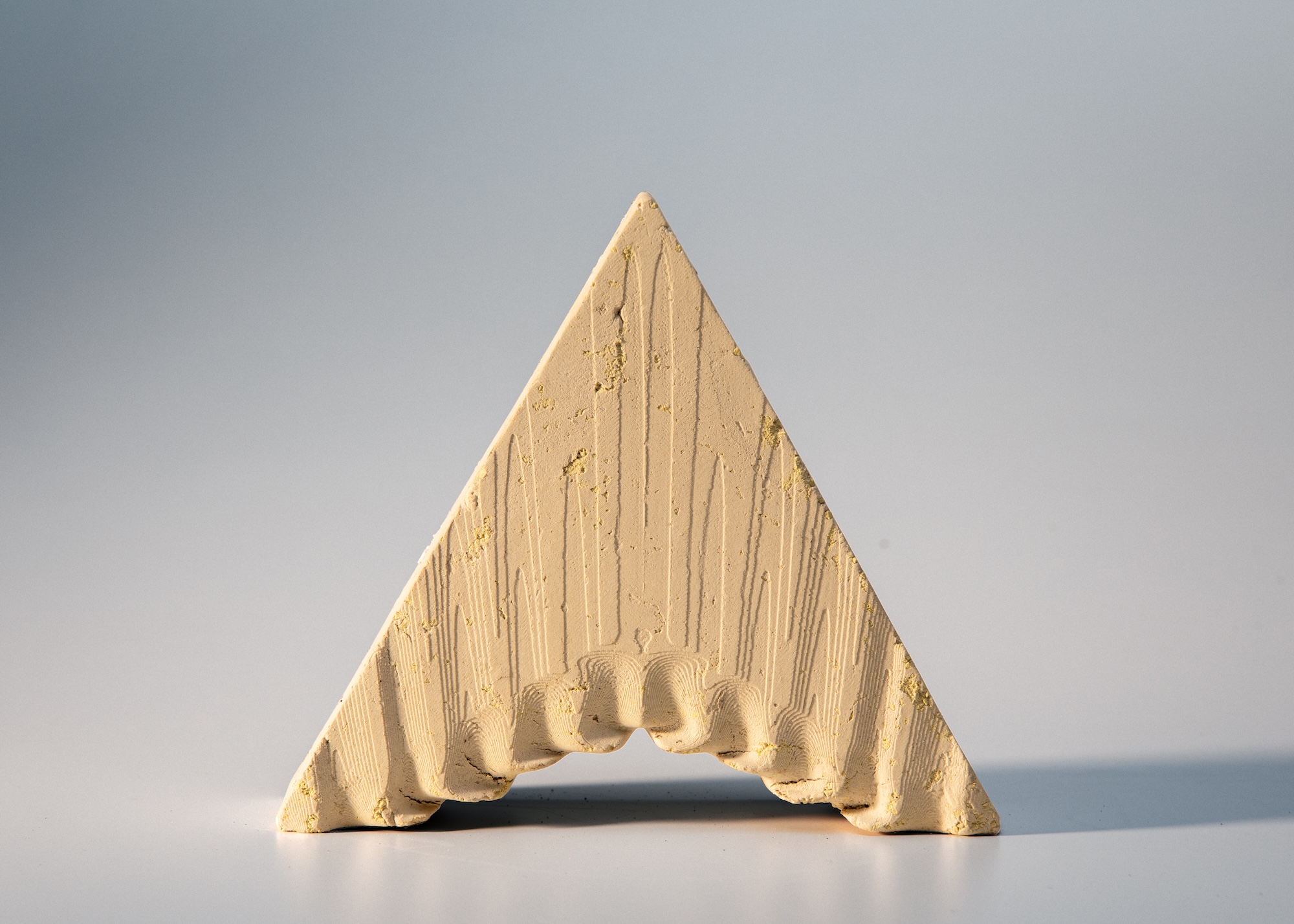
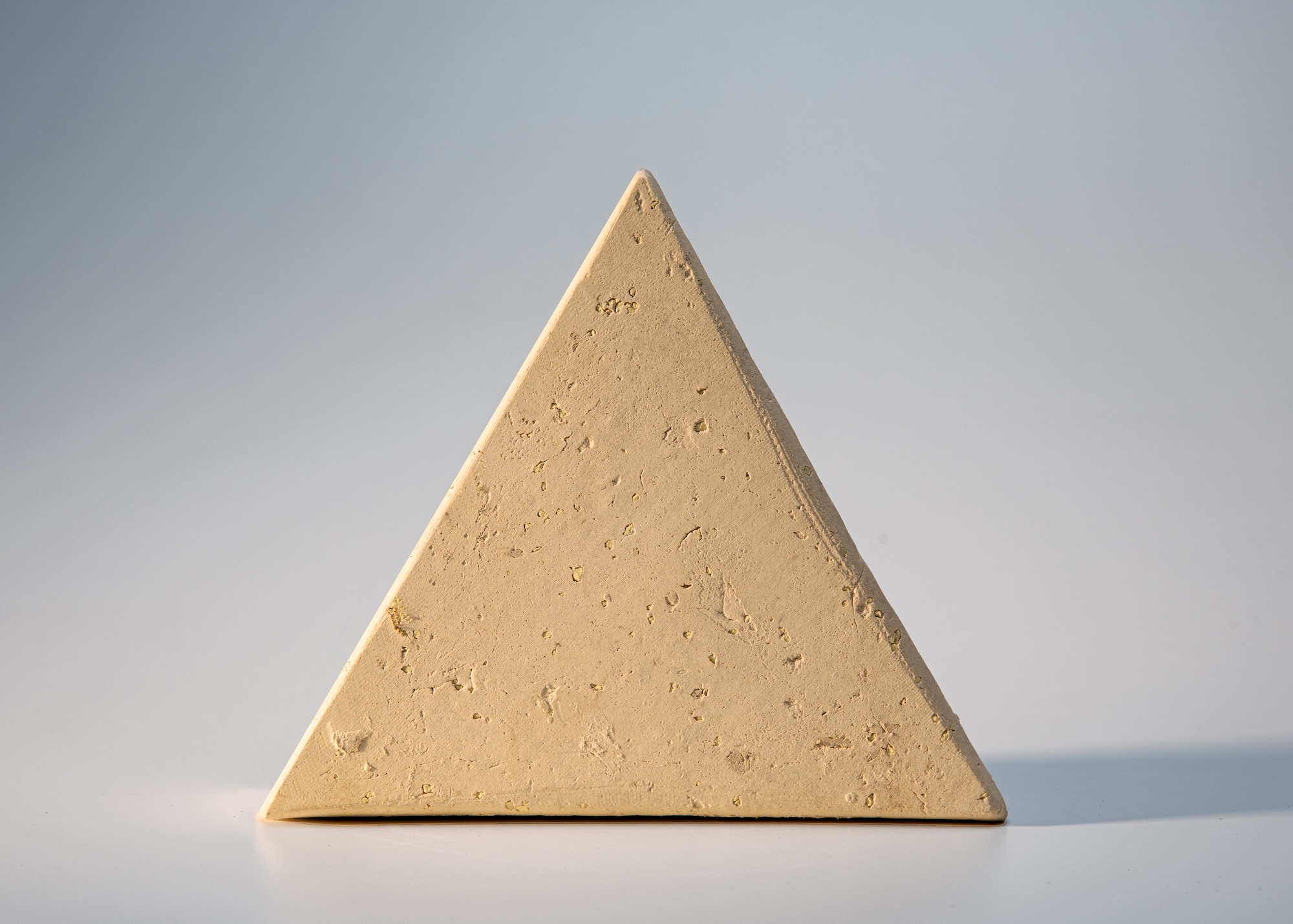
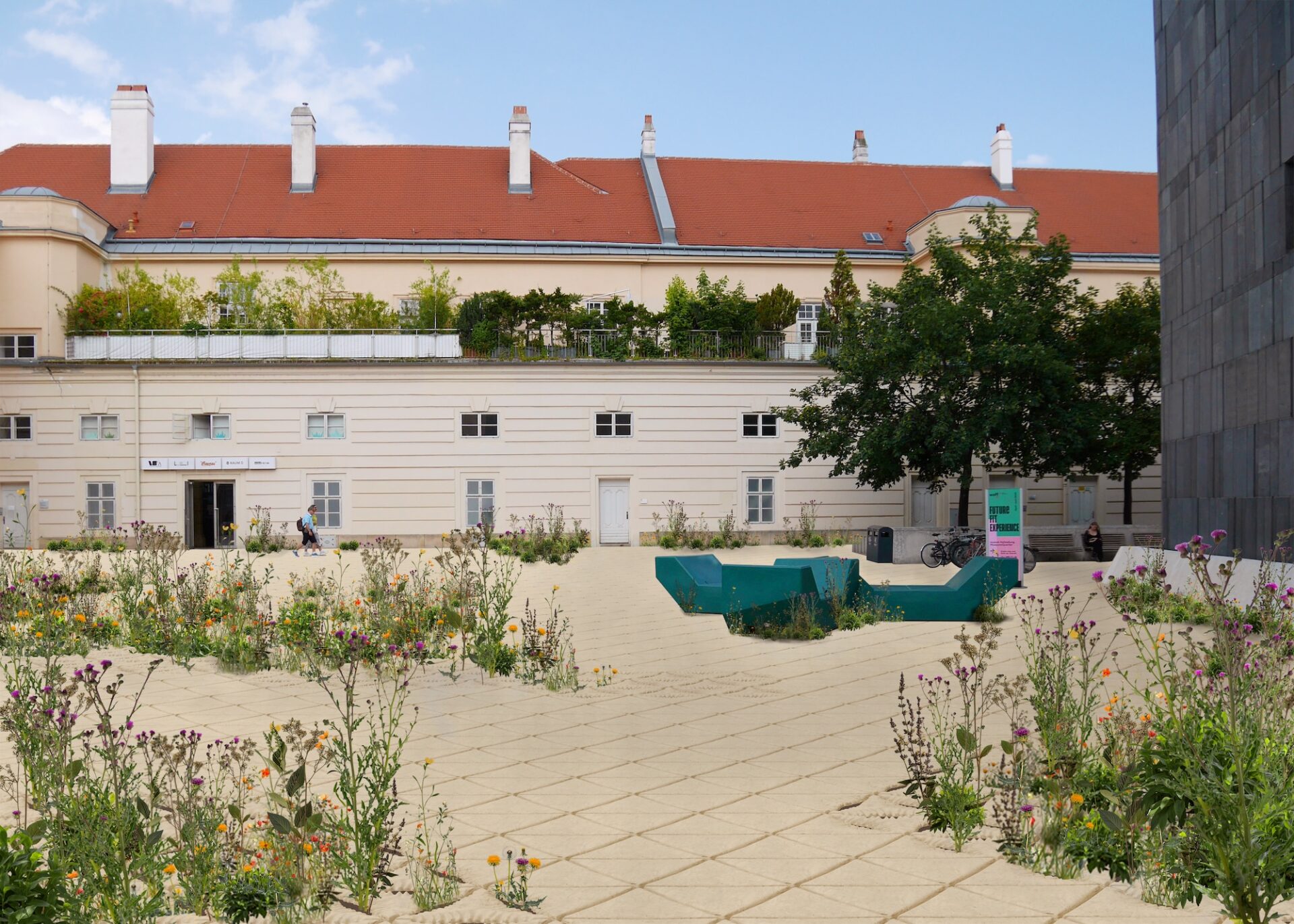
Despite its ecological value, this spontaneous vegetation is often rejected for aesthetic reasons and regularly removed. The project brings together the seemingly incompatible requirements of a well-maintained urban landscape with the need for ecologically valuable structures. The core of the project is a modular paving stone system where the gap becomes a major design feature. Three different types of stone allow for modular and targeted control of otherwise uncontrolled growth. The common basic shape of the equilateral triangle allows the paving to be adapted flexibly to the specific local requirements Type A create gaps that allow spontaneous urban vegetation to take root. Type B creates the transition from the pedestrian zone (Type C) to the overgrown area (Type A) Type C is designed as a conventional paving stone to ensure safe and barrier-free access. The surface texture was designed to meet bioreceptive requirements, in order to encourage the colonisation of microorganisms and the attachment of seeds dispersed by wind and foot traffic. Urban areas are severely affected by the consequences of climate change. (Partial) de-sealing represents one of the most important adaptation strategies. “Diversity breeds diversity” is a proposal to deliberately create space for wild nature in cities and to integrate it as a component into urban planning processes.
Facts
JASMIT HOF – DIPLOMA
2025
“Diversity Creates Diversity” explores the hidden ecological potential of paving gaps as valuable microhabitats and their role in promoting urban biodiversity.
Thanks to their unique microclimate, pavement gaps and asphalt cracks provide unobvious but essential habitats for numerous plant species in urban areas that depend on dry and nutrient-poor sites including endangered species. The vegetation found there is known as spontaneous urban vegetation, or spontaneous flora. It provides food and habitat for countless insects and thus contributes significantly to urban biodiversity. It also reduces the warming of sealed surfaces and acts as a bridging biotope to counteract habitat fragmentation.
Despite its ecological value, this spontaneous vegetation is often rejected for aesthetic reasons and regularly removed. The project brings together the seemingly incompatible requirements of a well-maintained urban landscape with the need for ecologically valuable structures. The core of the project is a modular paving stone system where the gap becomes a major design feature. Three different types of stone allow for modular and targeted control of otherwise uncontrolled growth. The common basic shape of the equilateral triangle allows the paving to be adapted flexibly to the specific local requirements Type A create gaps that allow spontaneous urban vegetation to take root. Type B creates the transition from the pedestrian zone (Type C) to the overgrown area (Type A) Type C is designed as a conventional paving stone to ensure safe and barrier-free access. The surface texture was designed to meet bioreceptive requirements, in order to encourage the colonisation of microorganisms and the attachment of seeds dispersed by wind and foot traffic. Urban areas are severely affected by the consequences of climate change. (Partial) de-sealing represents one of the most important adaptation strategies. “Diversity breeds diversity” is a proposal to deliberately create space for wild nature in cities and to integrate it as a component into urban planning processes.
