Collect the Piece, Read the Trace, Change the System.
Starting from something seemingly insignificant – a piece of plastic on the beach –the class aim to transform it into something meaningful: an idea that can shift how we live, consume, and care for the world around us.
AMBROSIA KÖB
1 / 3
RENET
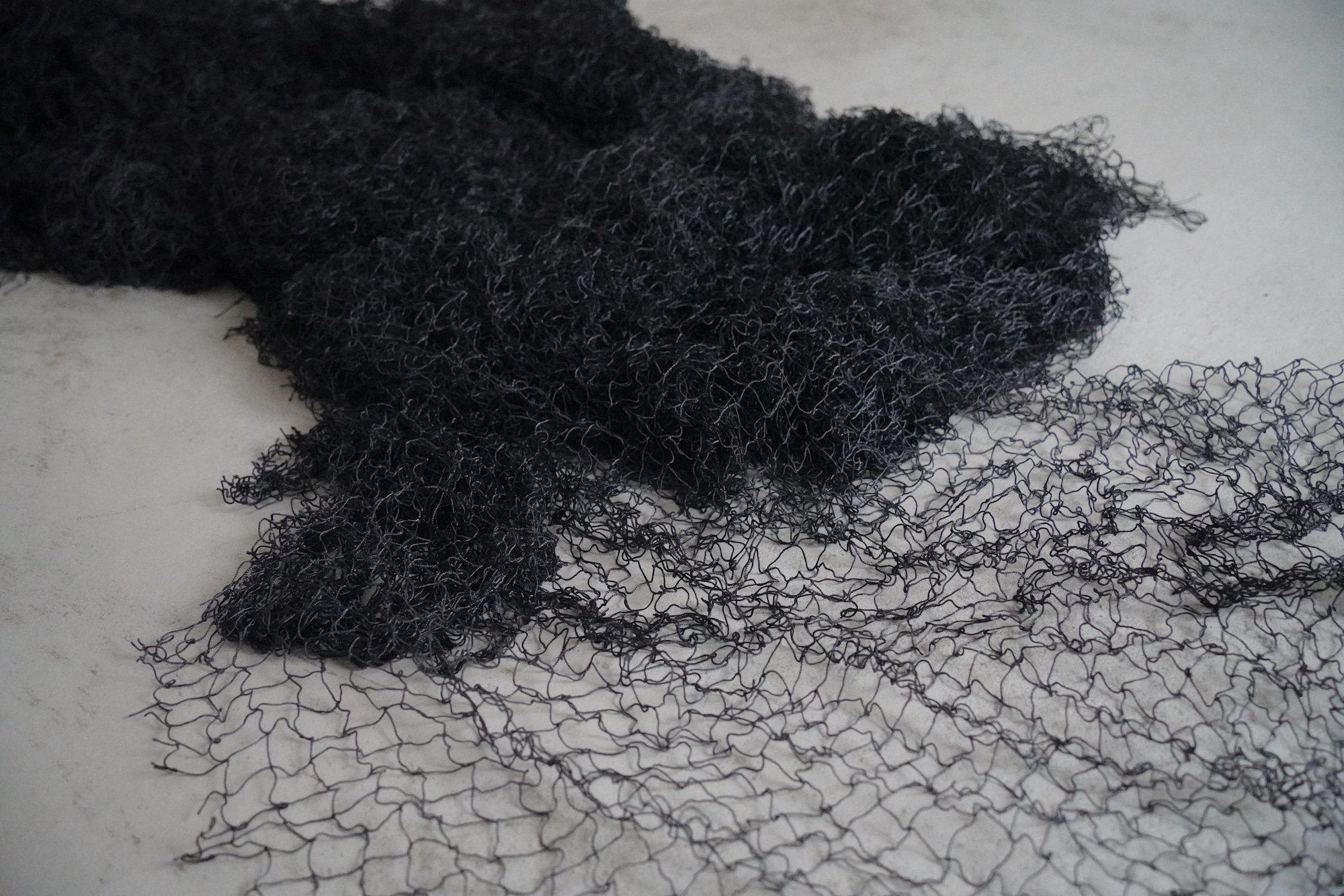
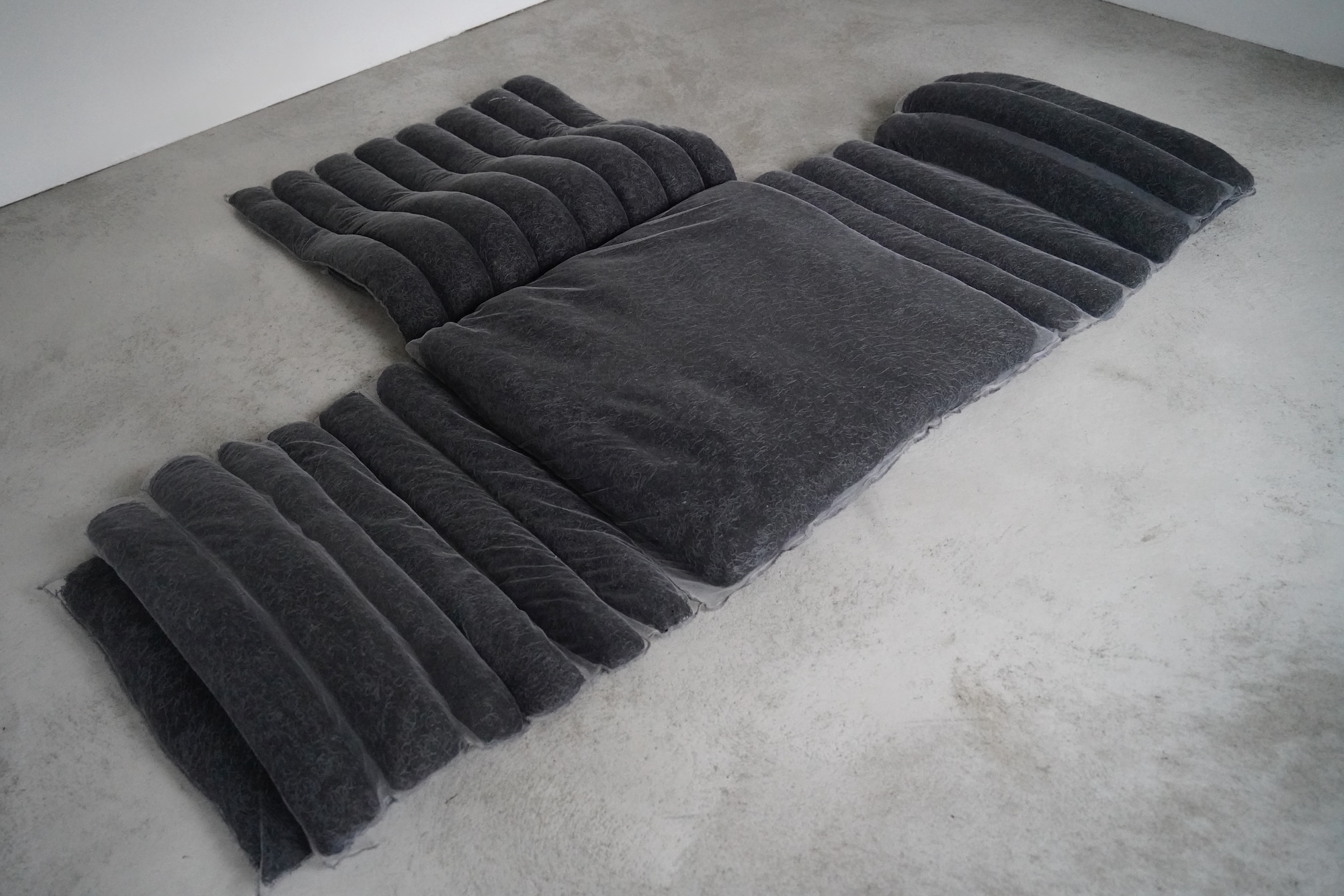
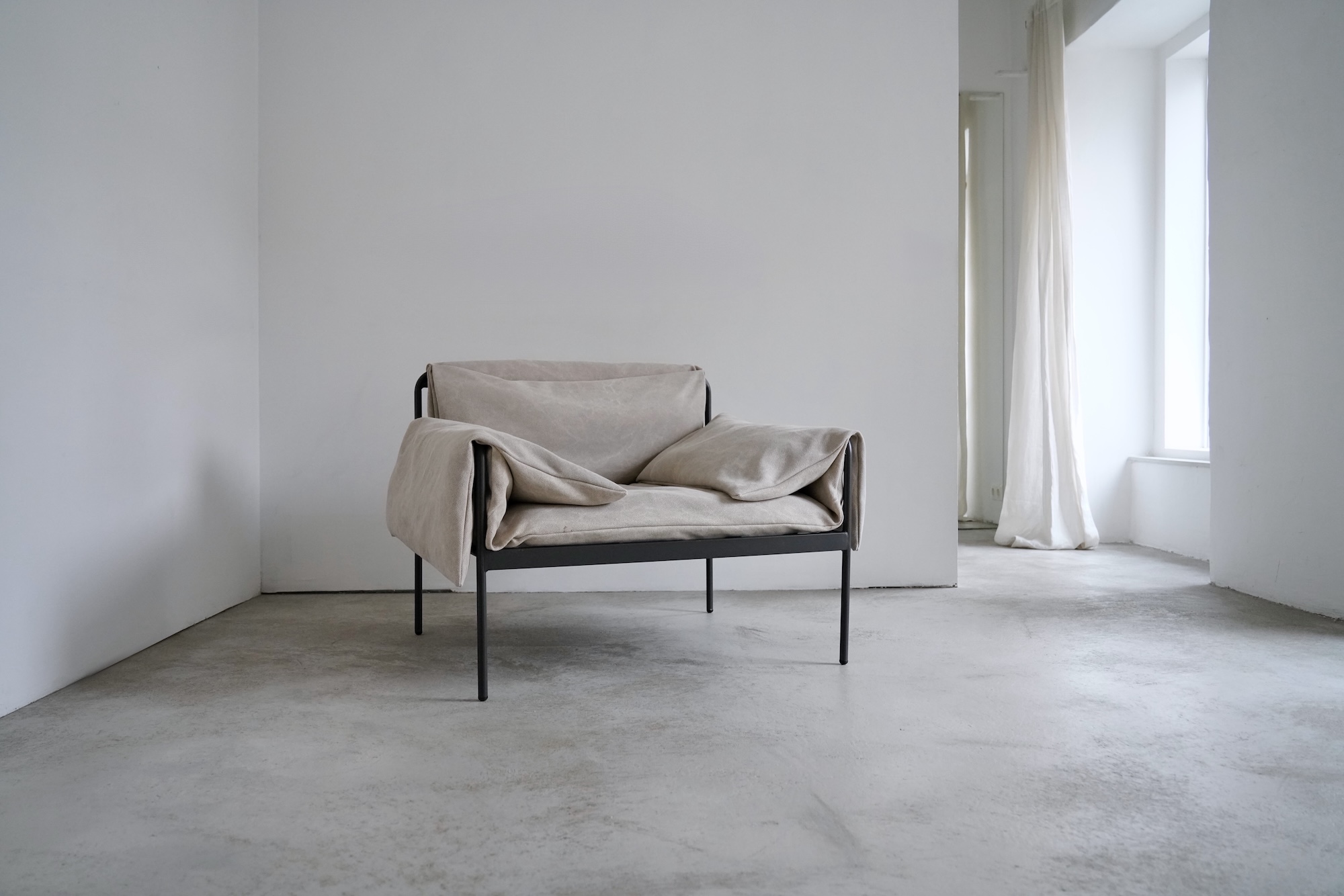
ReNet investigates the potential of discarded fishing nets as an alternative filling material for upholstered furniture, extending the functional life cycle of these synthetic materials. By directly reusing the flexible net structure, the materials can be repurposed without the need for complex sorting or energy-intensive recycling processes, as demonstrated by the chair as an application example.
LEON THEODOR
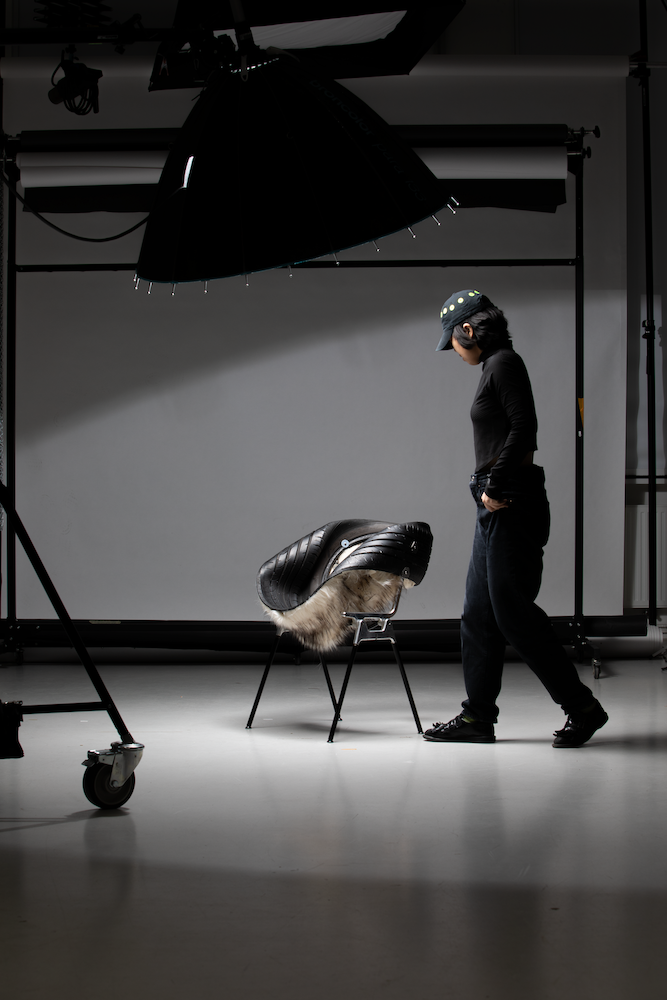
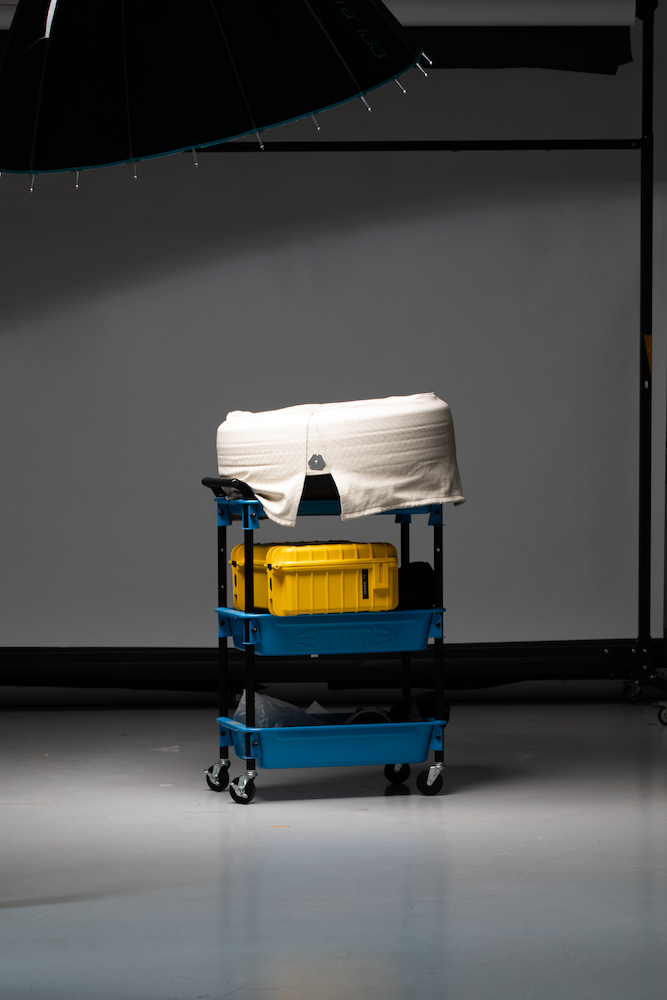
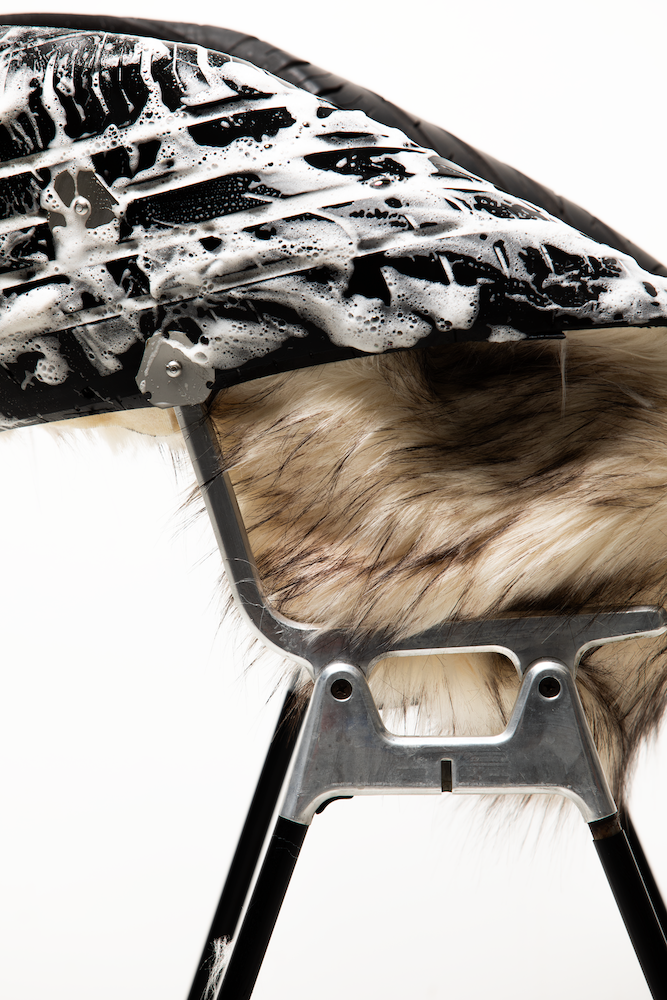
TIRED
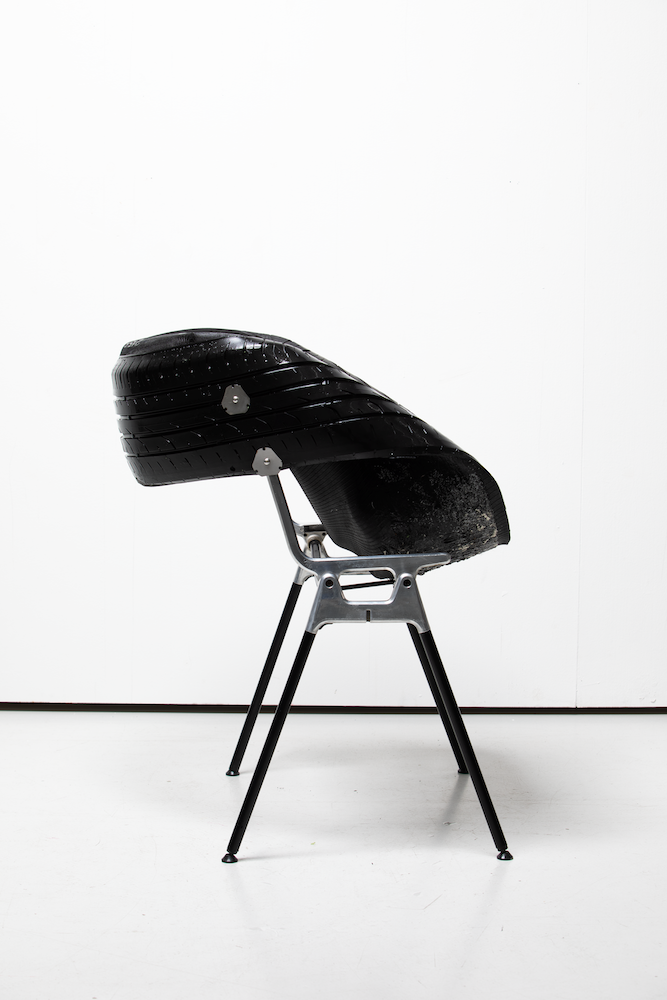
The challenge of approaching the remnants of modernisation as gently as possible, assigning their forms and material qualities to a new usage profile. Repurposing with minimal intervention, playing with the perceived value of objects that have passed their “sell-by date,” and envisioning a formal reinterpretation of a post-modernised world.
DANIEL LEITNER
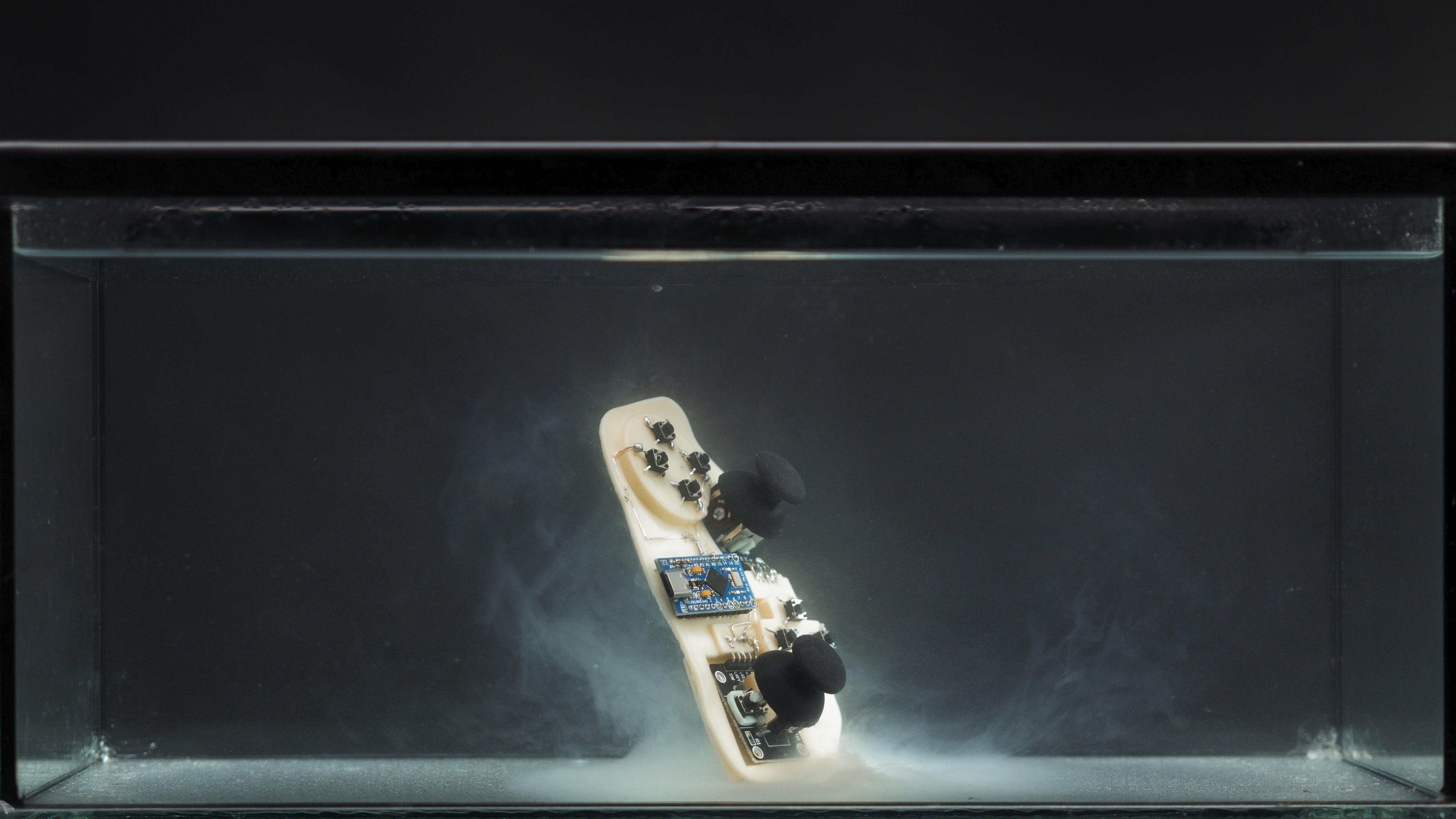
TRANSIENT DEVICES
“TRANSIENT DEVICES” is an exploratory design project that experiments with a potential methodology for easier recycling of electronic devices through the use of soluble substrate materials.
MARLENE LUCIA EGGER
1 / 3
BROTNAH
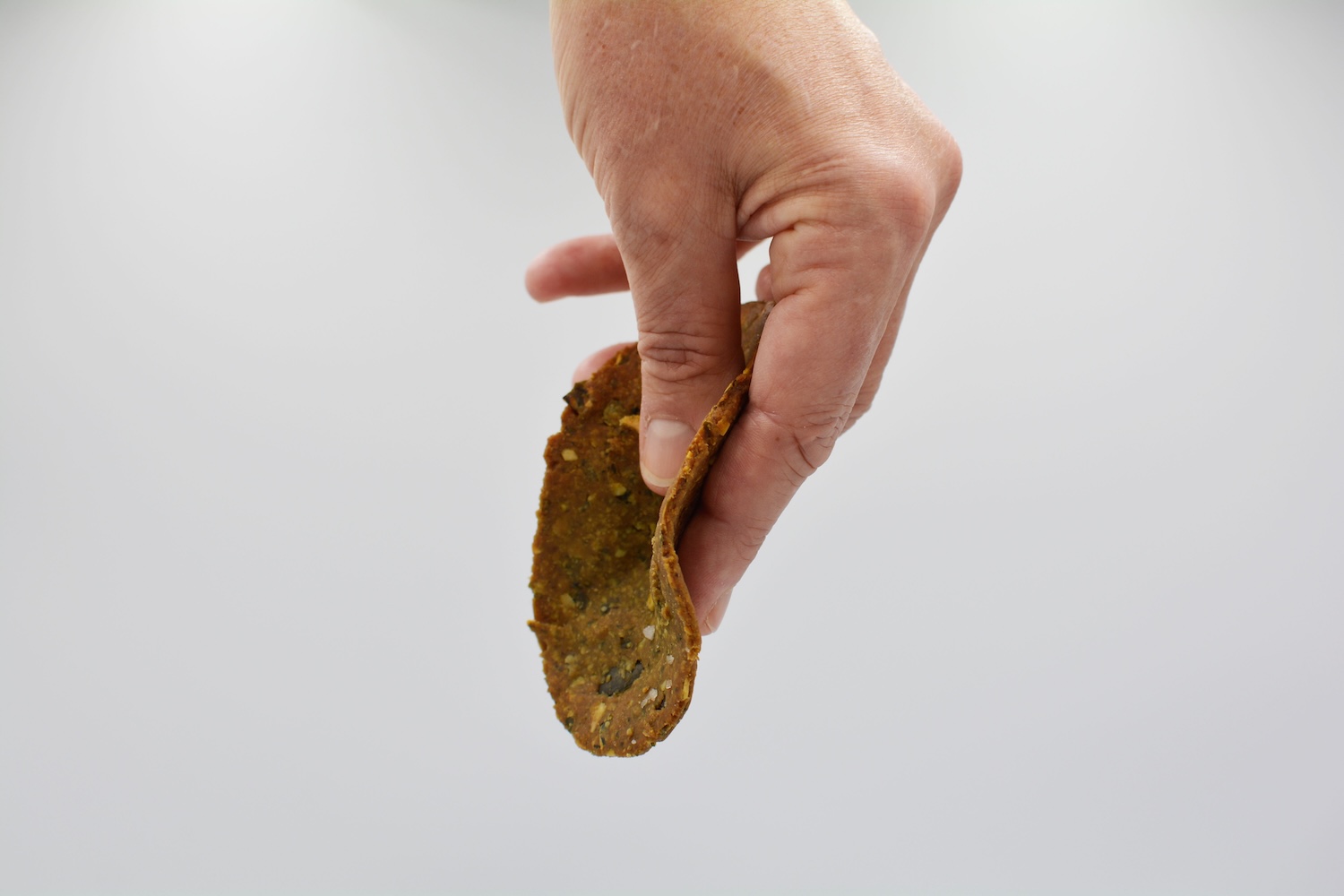
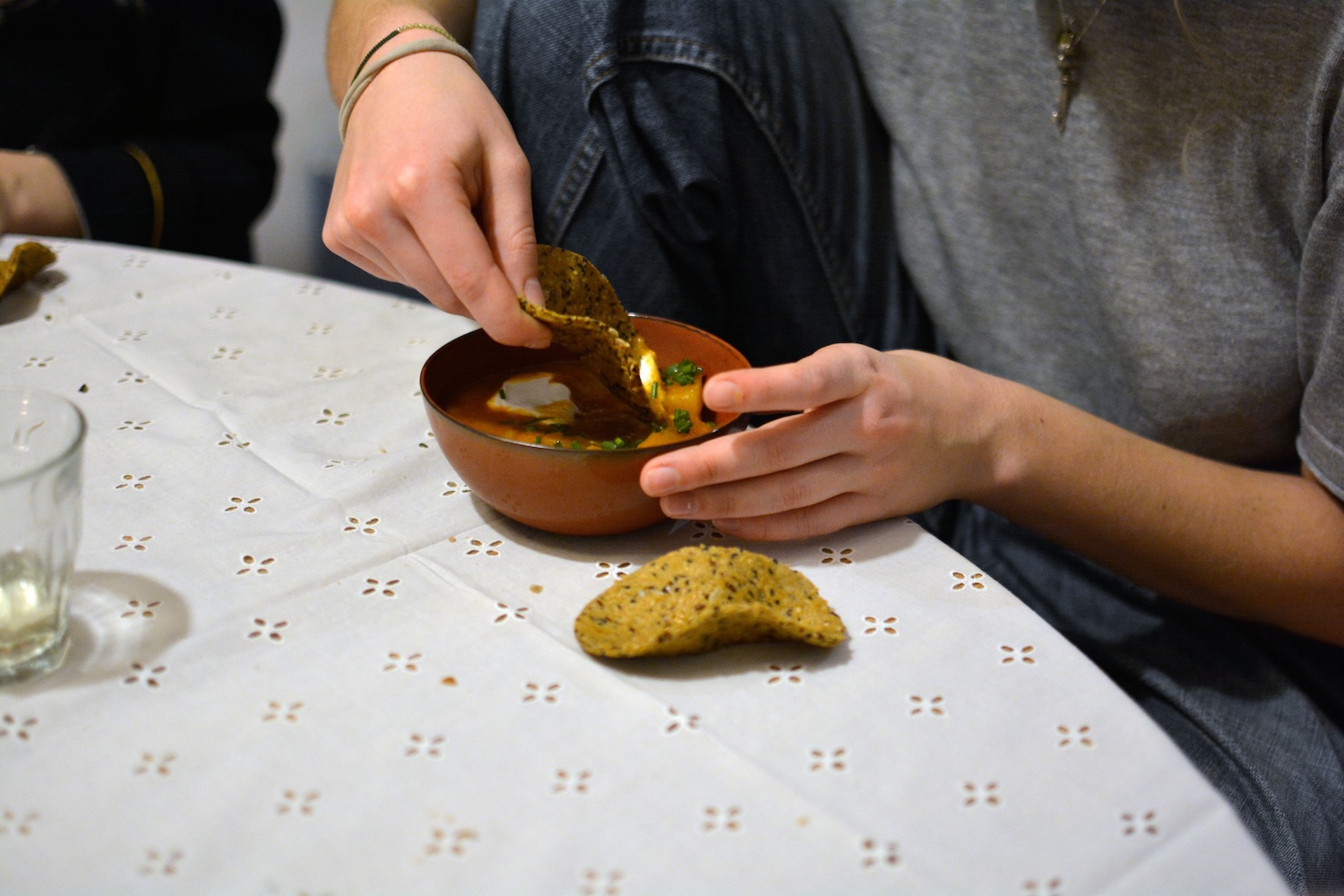
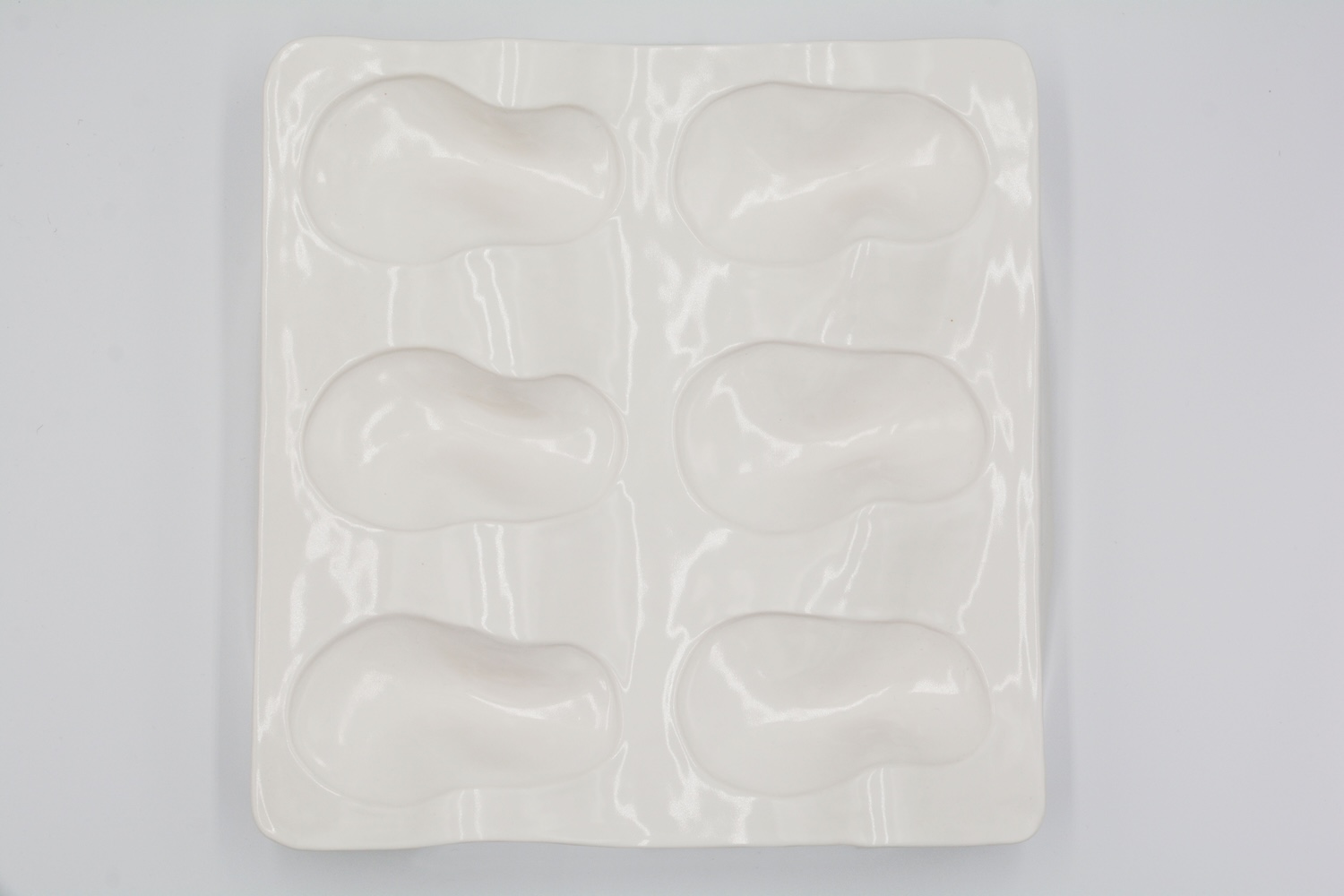
BROTNAH began with plastic cutlery found on a Sicilian beach, prompting questions about our reliance on disposable utensils and how eating on the go has become fast, detached, and less sensory.
LENZ DREHER, VALENTIN BAUER
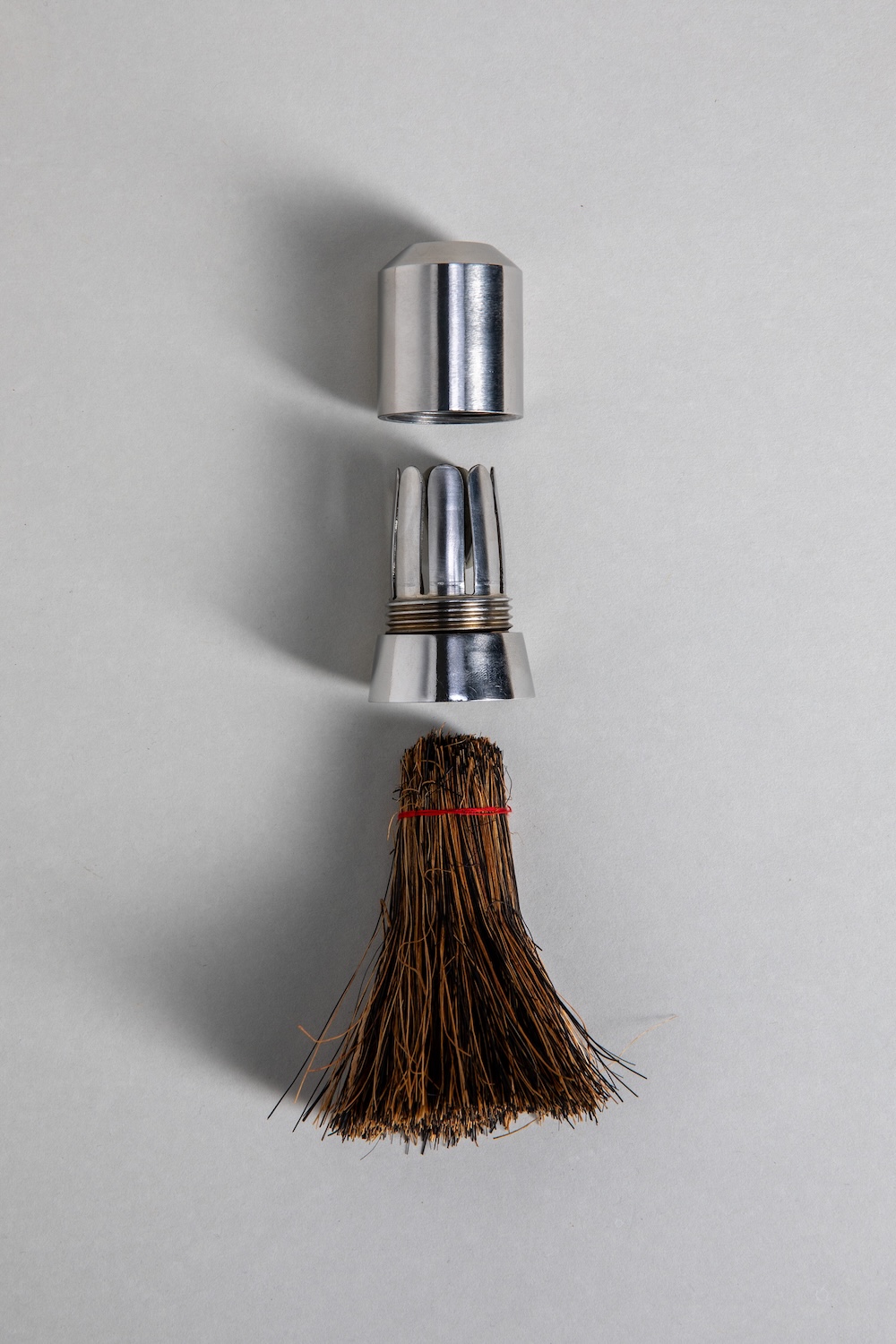
SETA
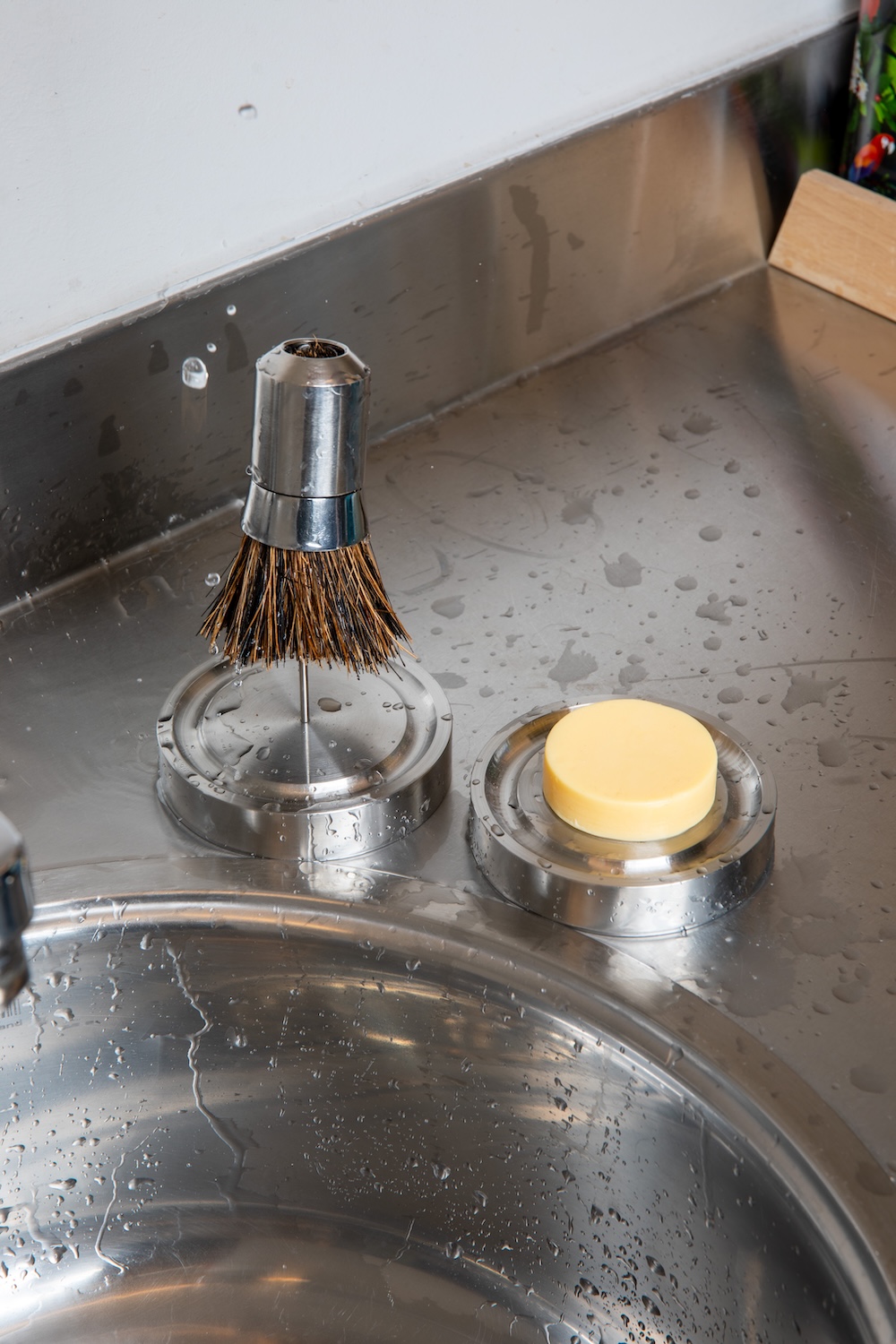
SETA challenges the norm of single-use sponges and plastic brushes in everyday kitchen life.
MARIT KRICKL
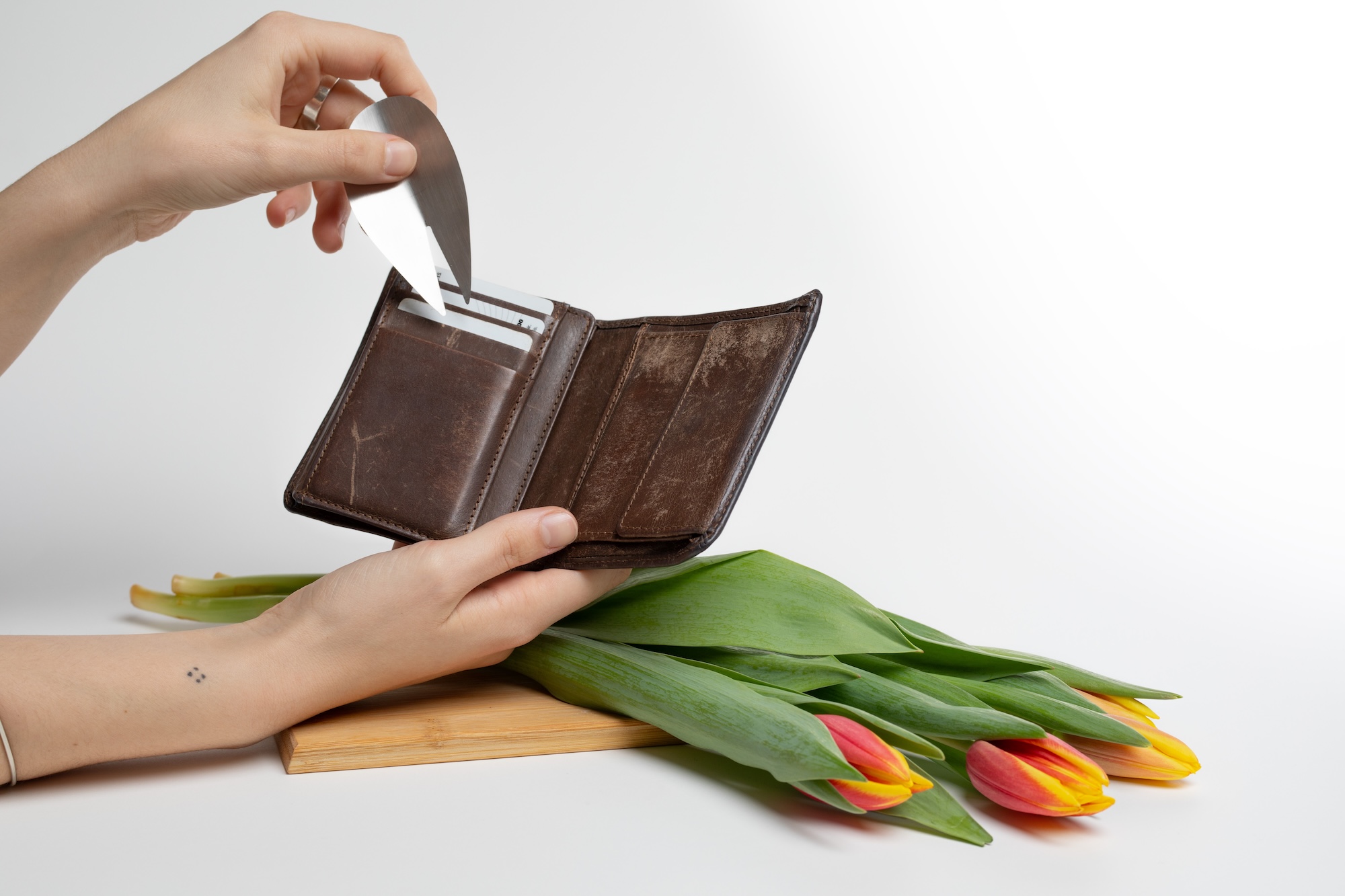
TOOLIP
The project TOOLIP explores how to avoid single-use cutlery.
ELEN ABRAHAMYAN
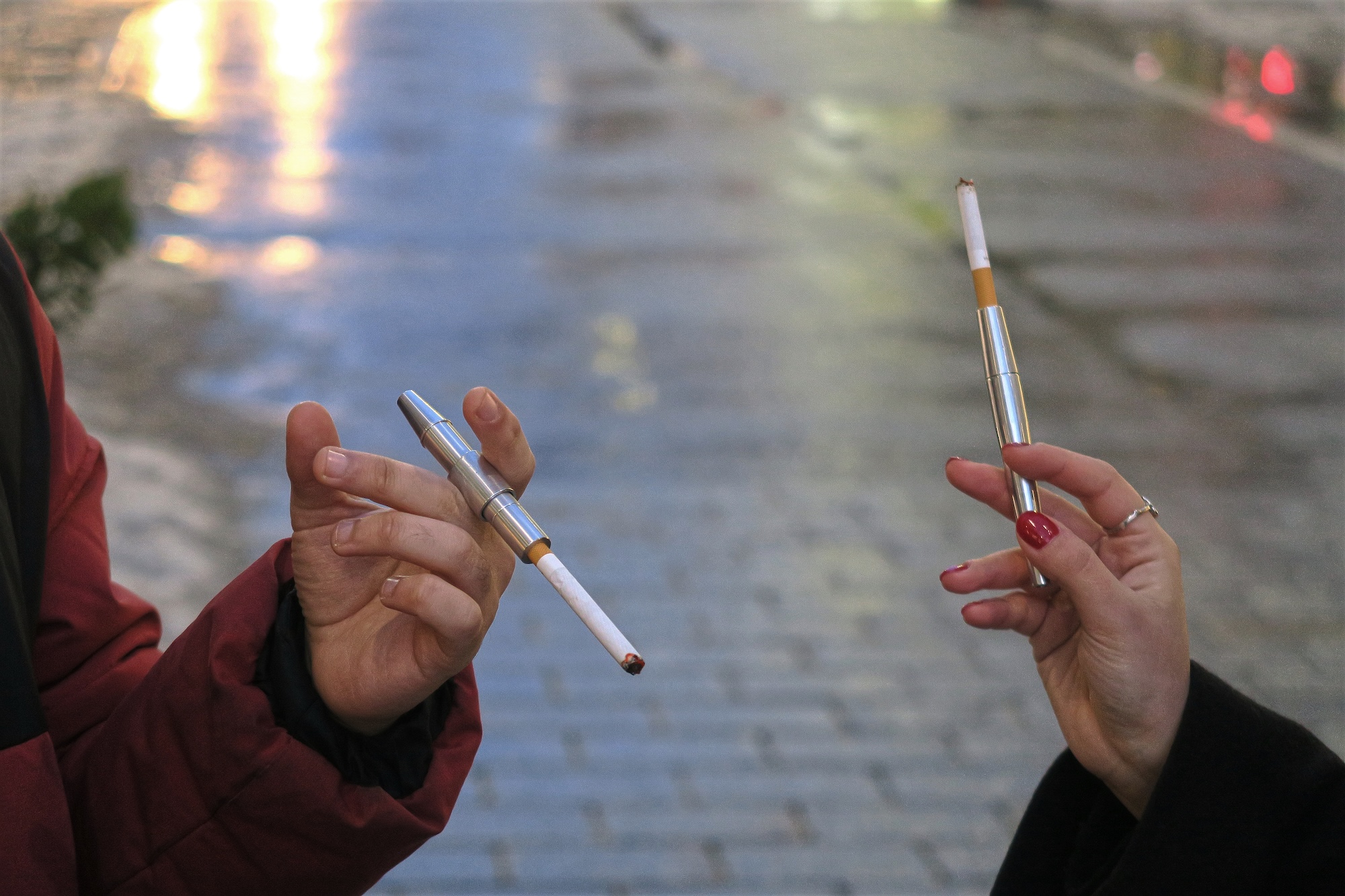
MORA
MORA proposes a reusable alternative to cigarette filters.
ROSA LOTTE STURM
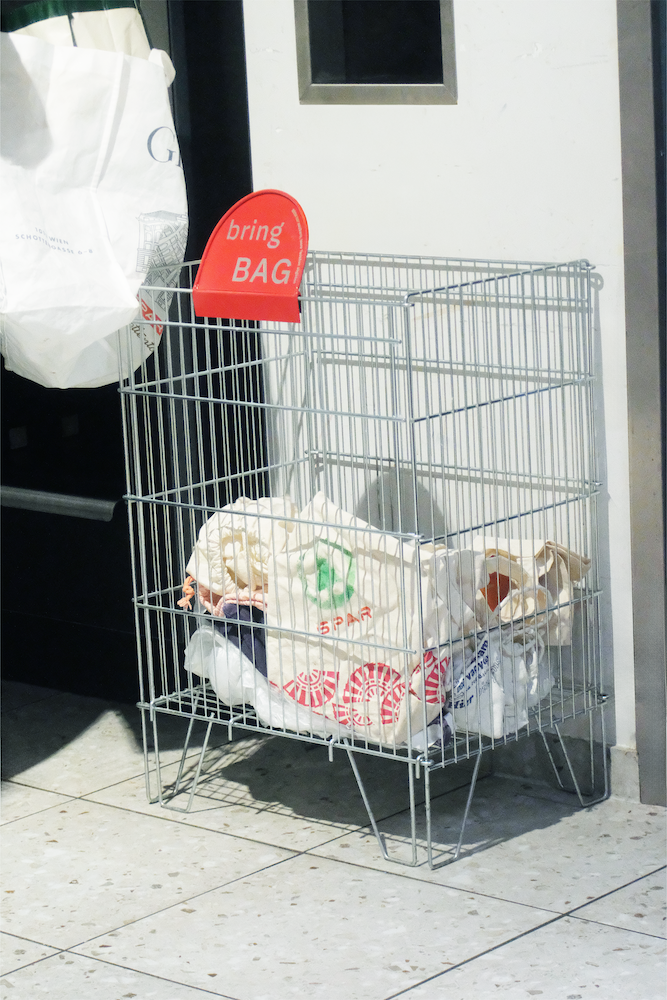
BRING BAG
BRING BAG is a participatory in-store system where people bring shopping bags they no longer need or want to store at home. The bags are collected directly in the supermarket and made available for reuse by others.
VINCENT PAUL MÜLLER
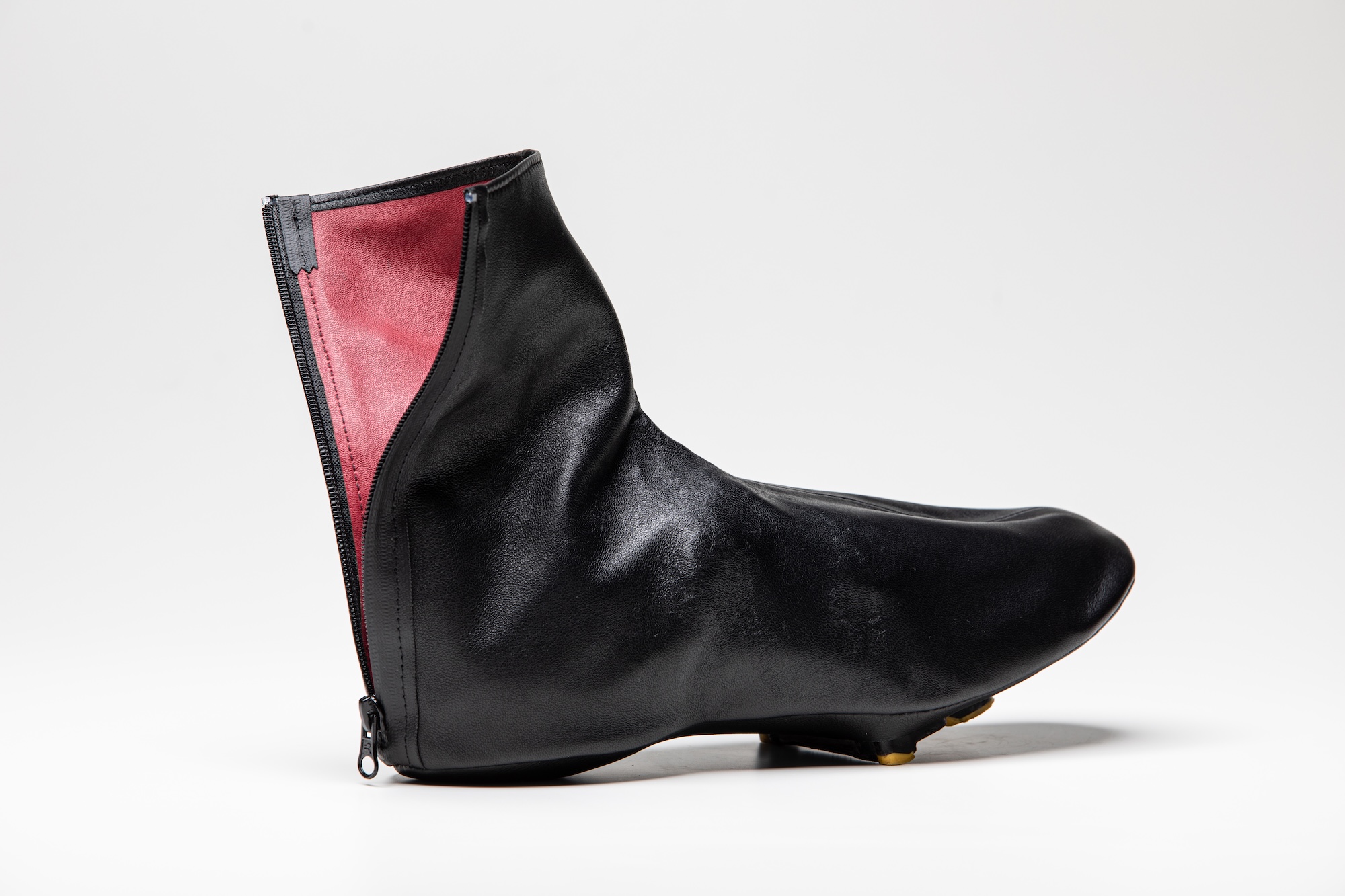
GESTIEFELTER KATER
GESTIEFELTER KATER is a simple leather overshoe, with the focus on changing the material. The result: an overshoe without PFAS.
SOFIA KOCHER
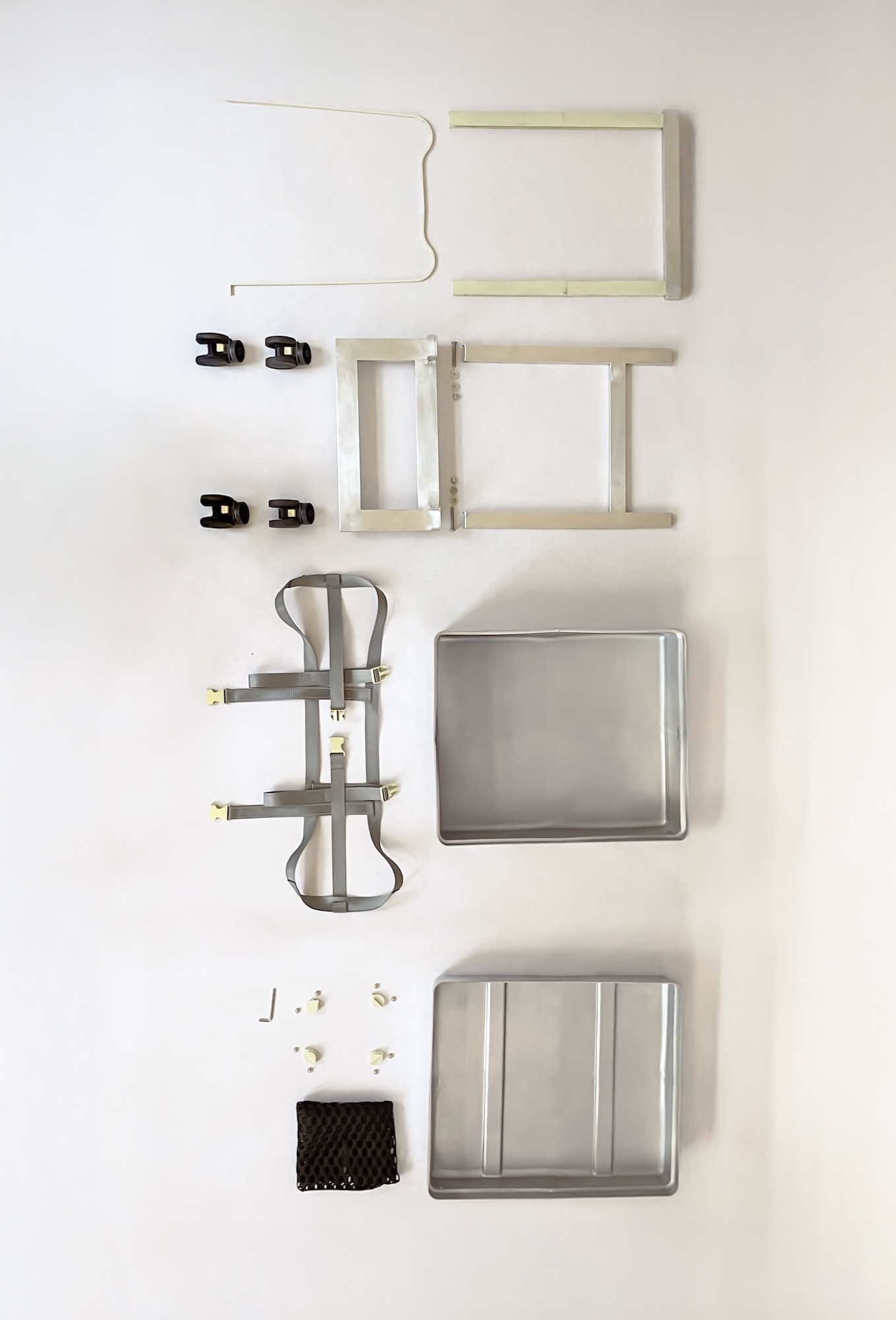
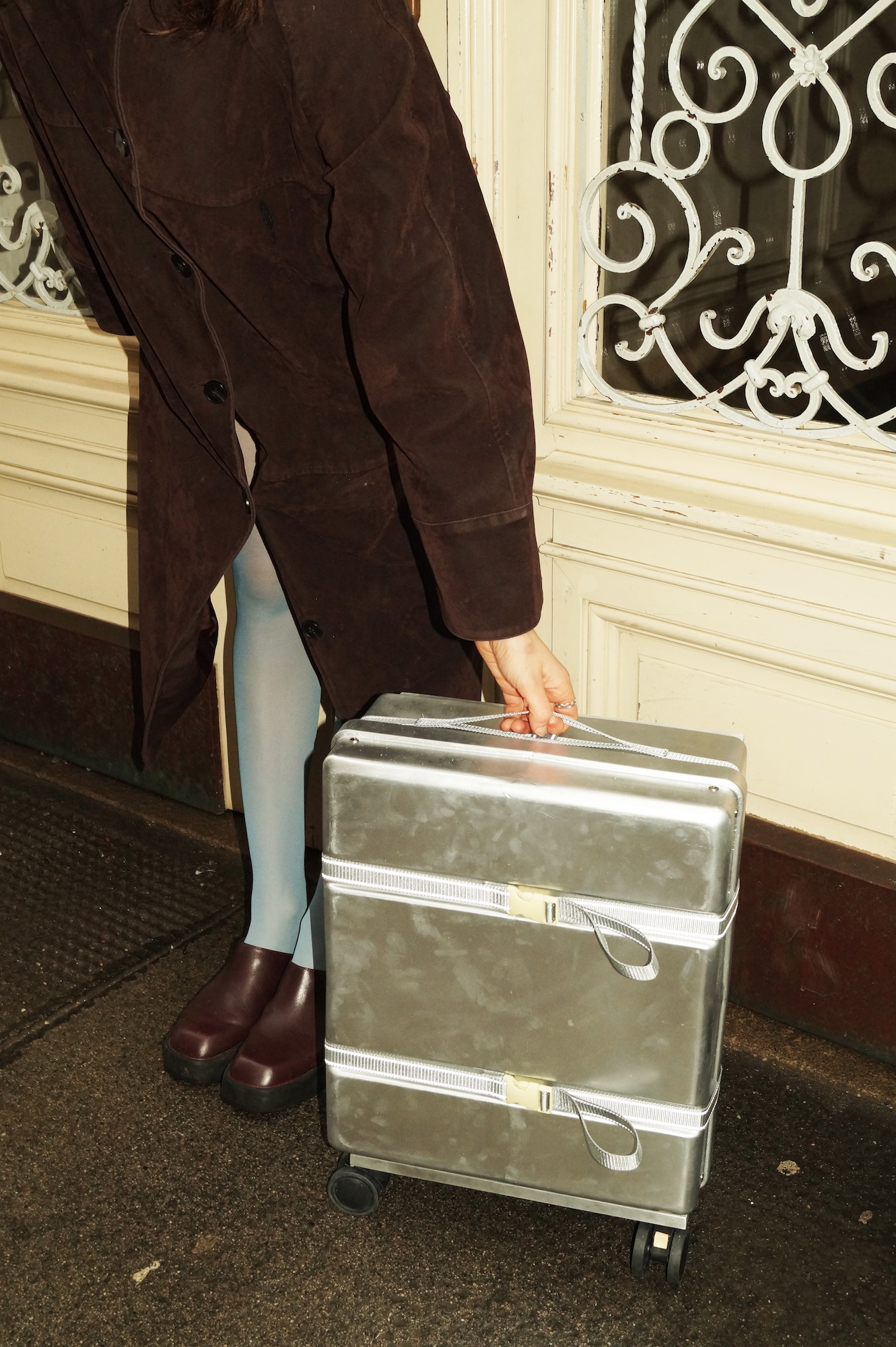
TRAVEL BOX
TRAVEL BOX is a suitcase concept that addresses the problem of short product lifespans caused by difficult repair and poor material separation.
CARLA KAUFMANN
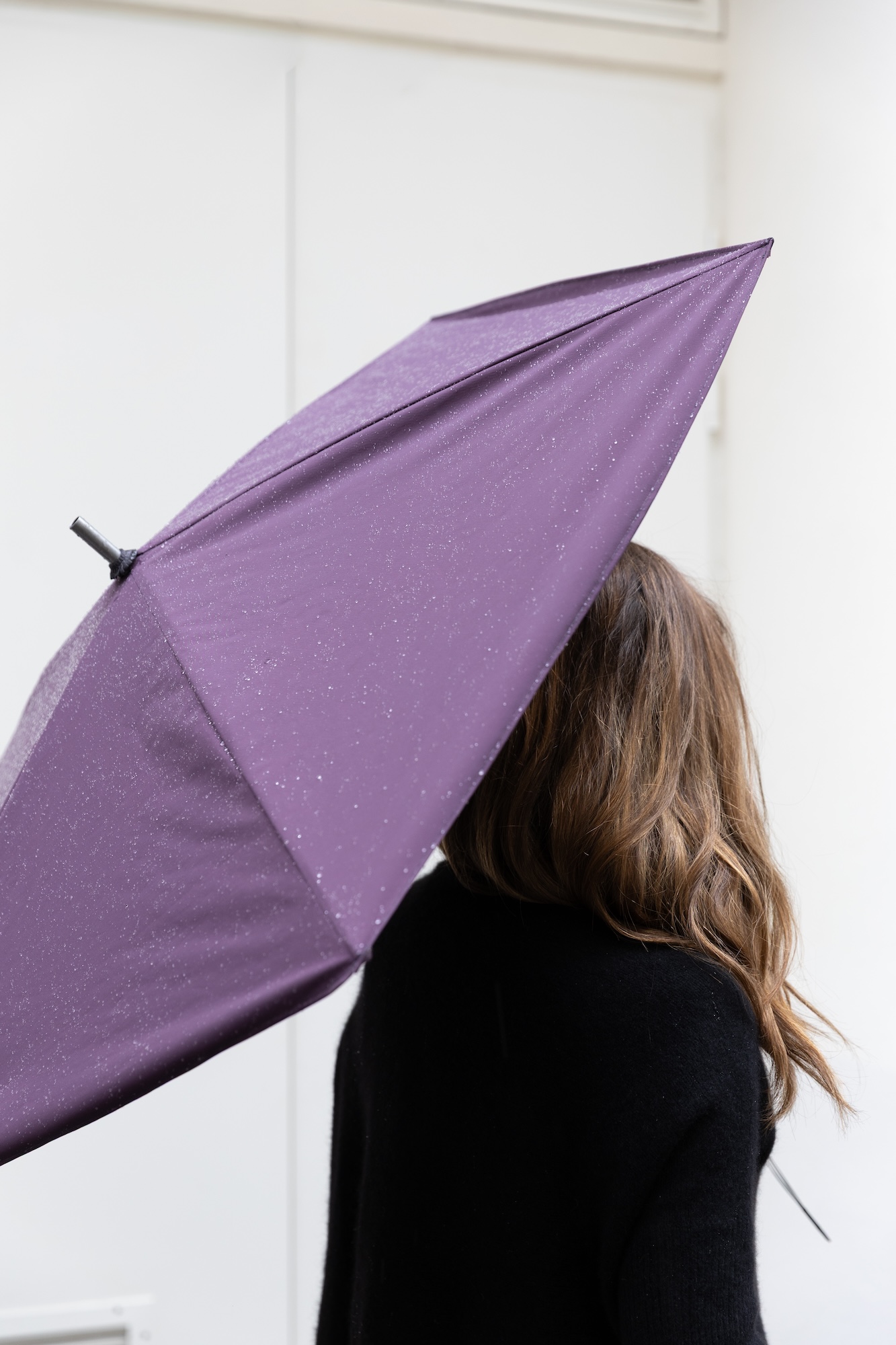
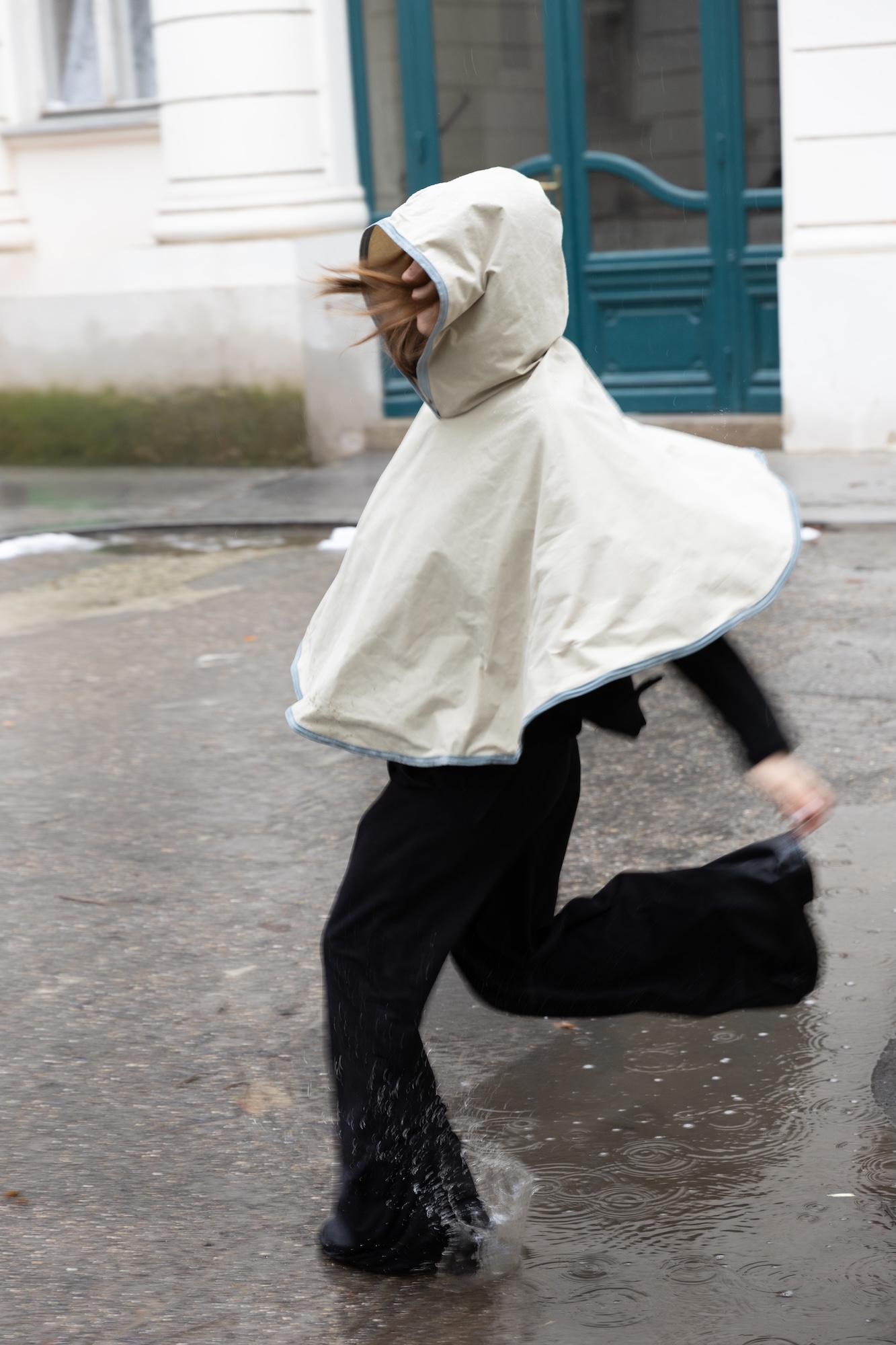
PLUVIA
Cheap umbrellas are often short-lived and quickly end up as waste, so the PLUVIA project explores new perspectives on this everyday object through two experimental designs.
ROSA DOMES
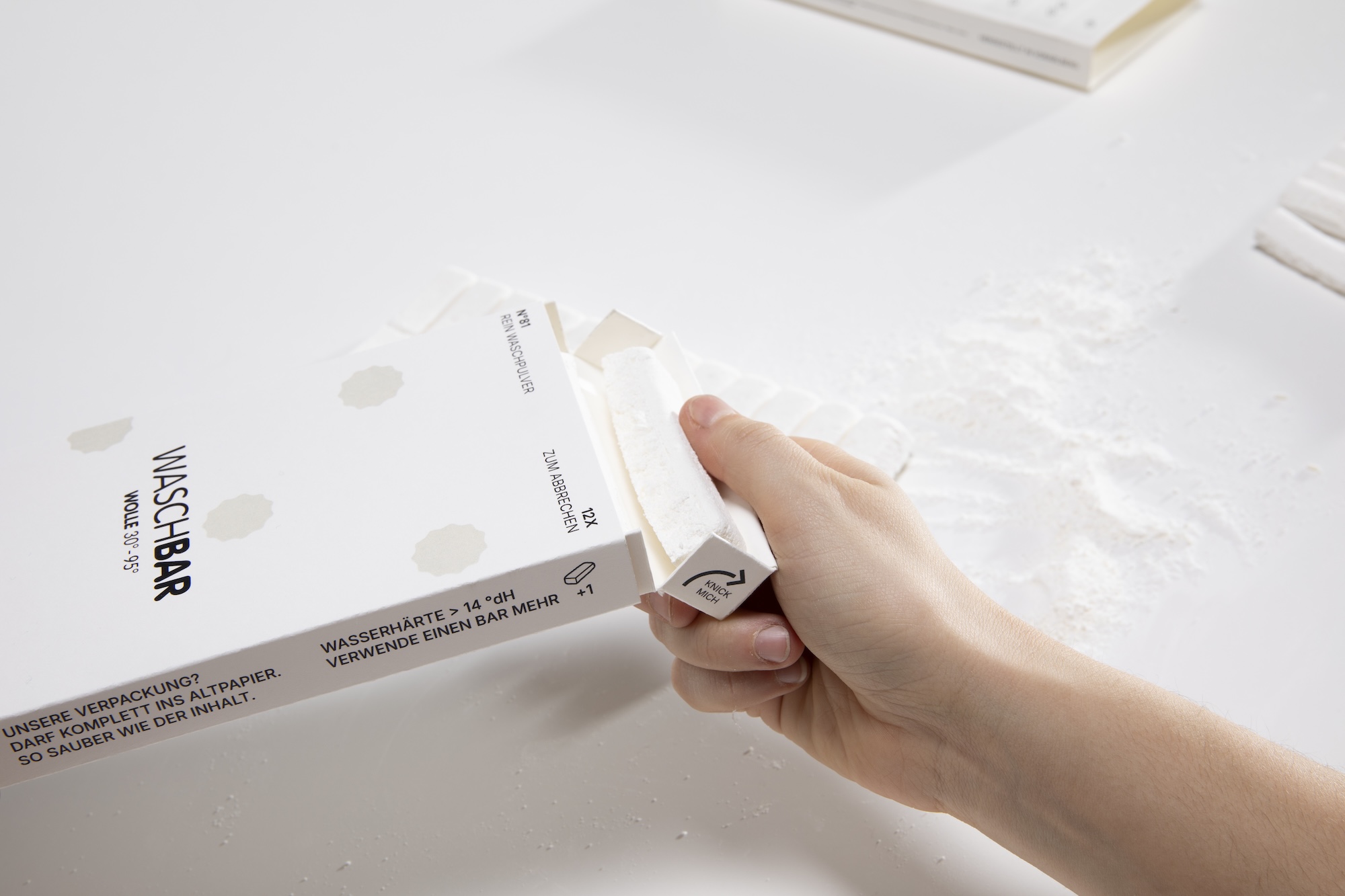
WASCHBAR
ALFRED CYRANKA
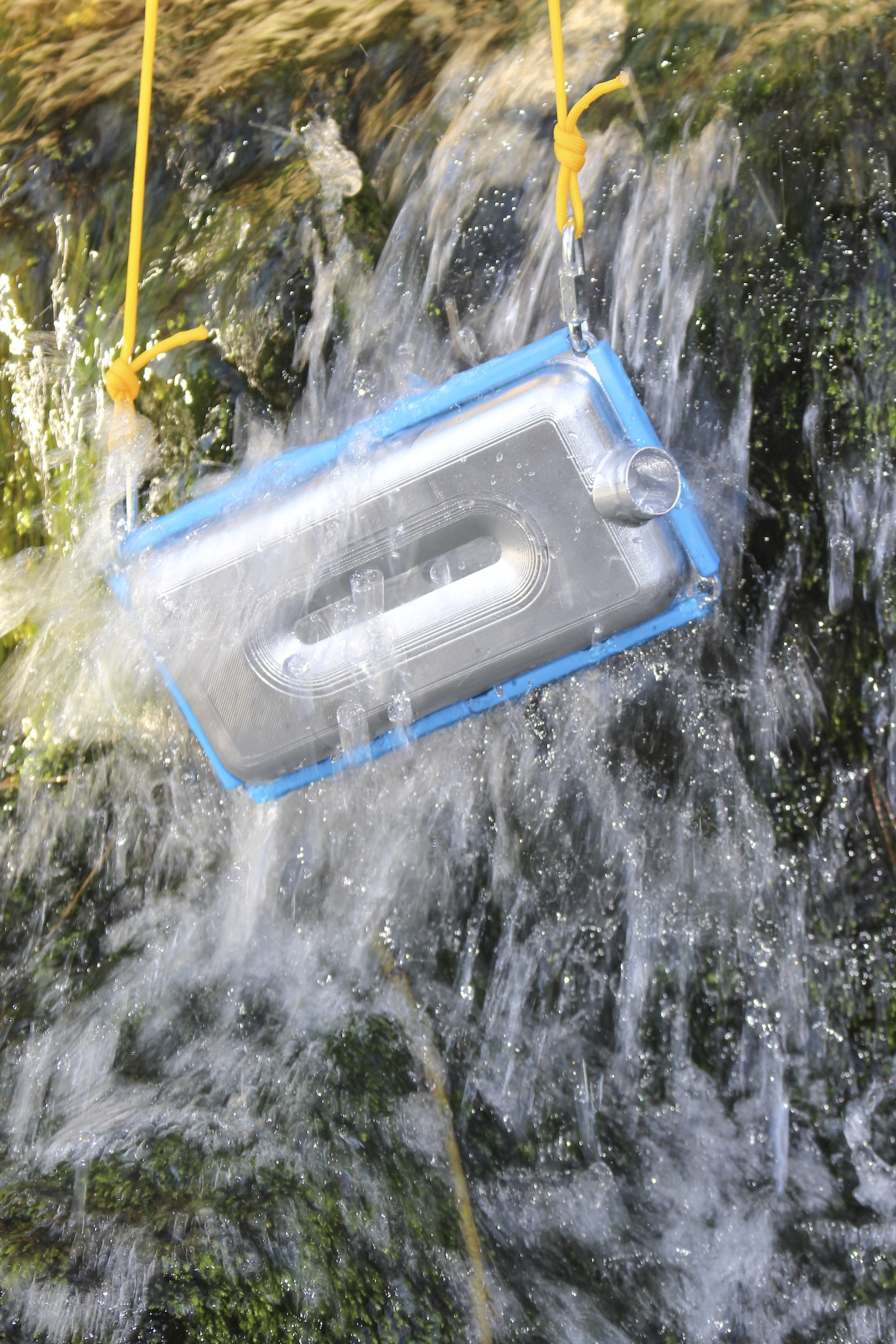
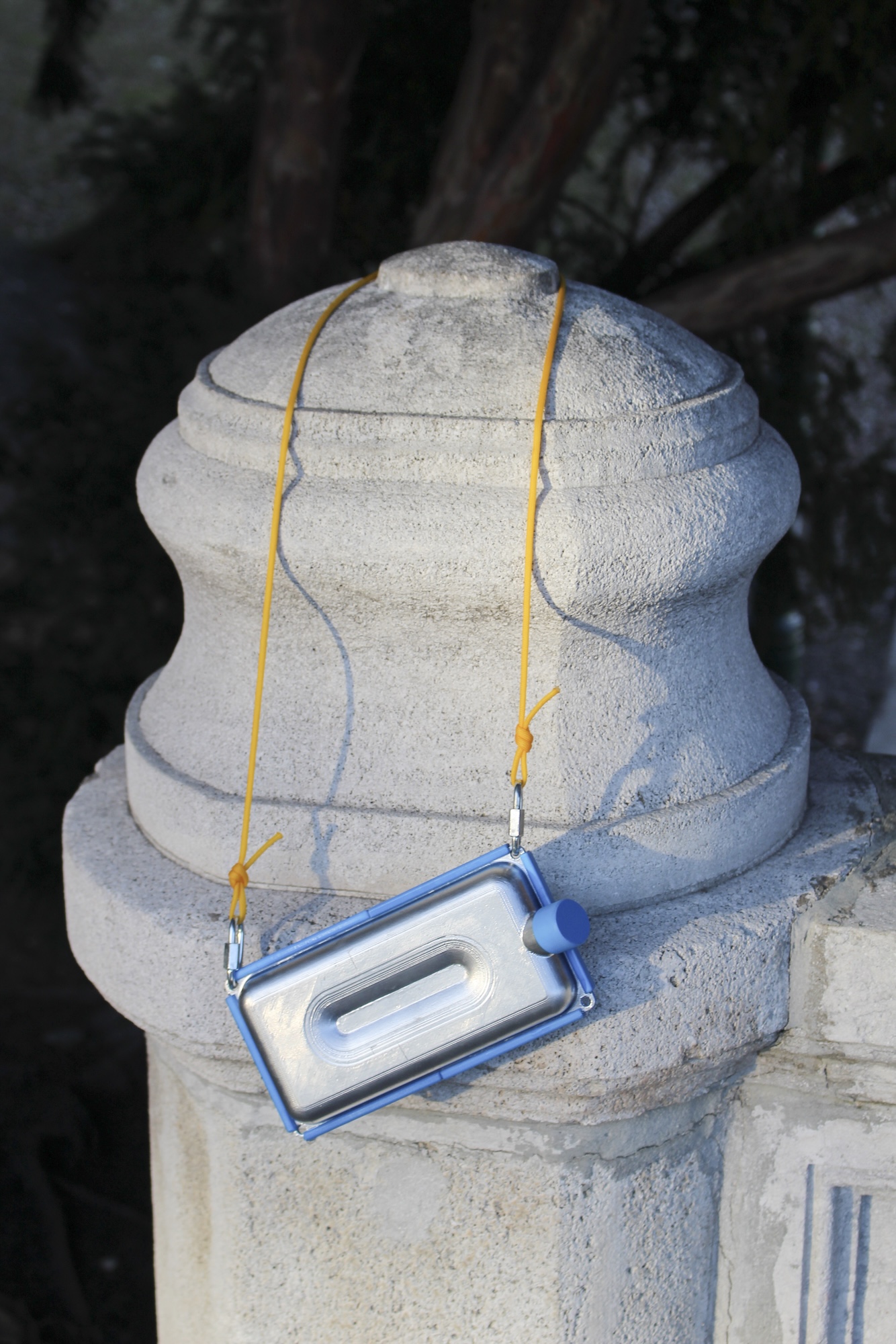
2HALFS
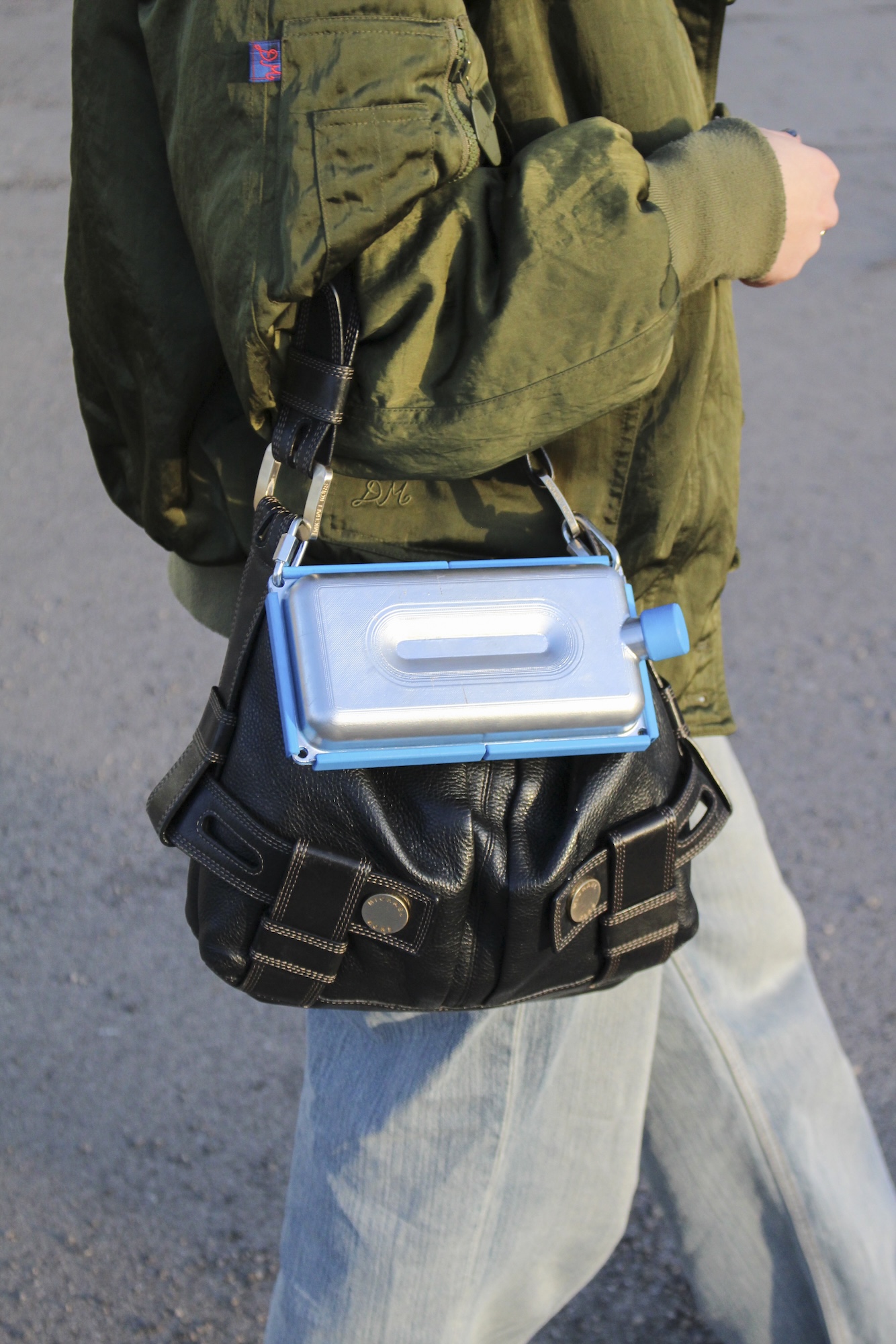
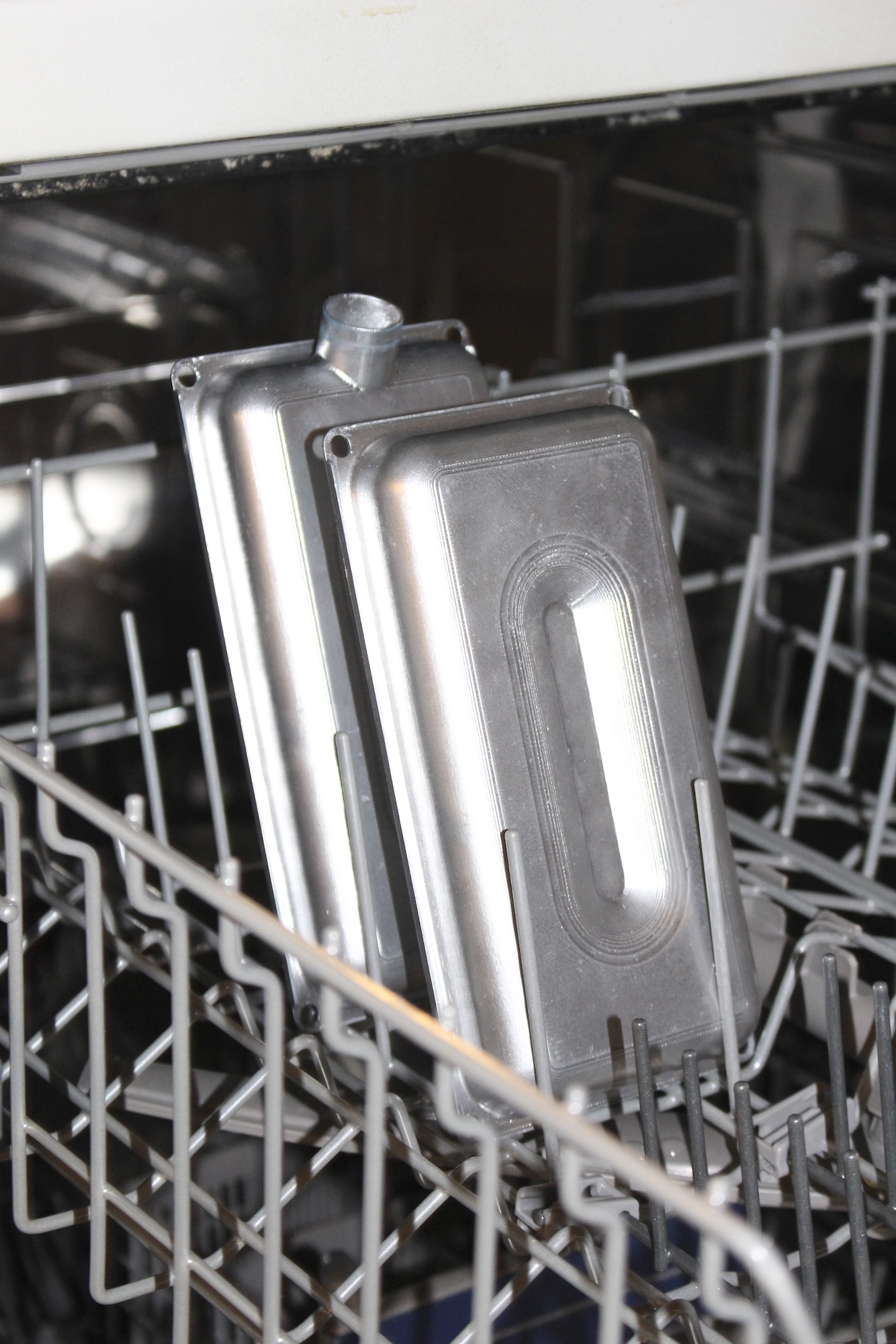
2HALFS rethinks the water bottle for life on the go.
YOLA GALLMAYER
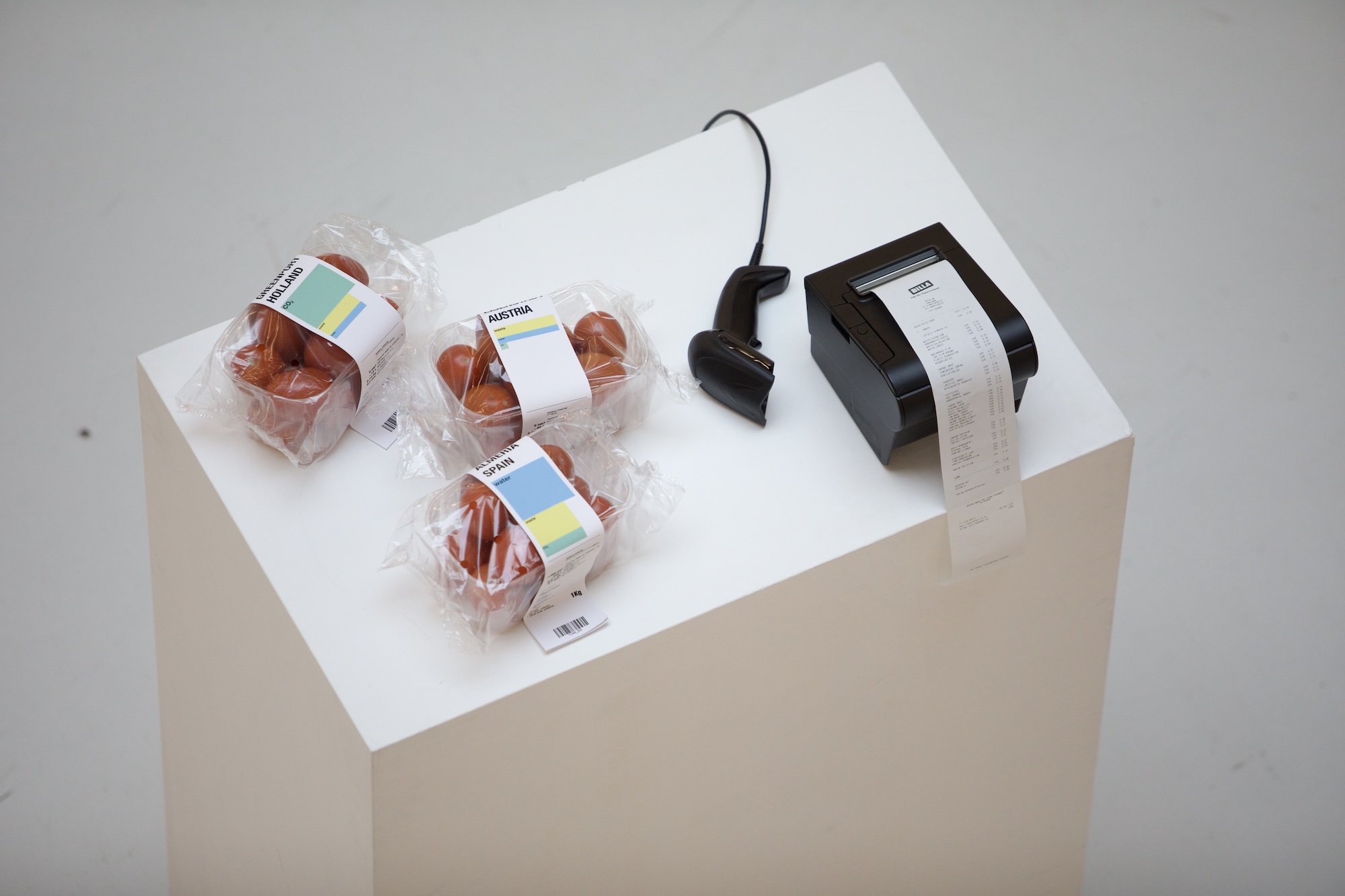
TOMATO TRANSPARENCY
The TOMATO TRANSPARENCY project a research-driven design investigation examining the material and systemic costs behind one of Europe’s most ordinary supermarket products: the tomato.
ALEXANDRA FIXL
1 / 3
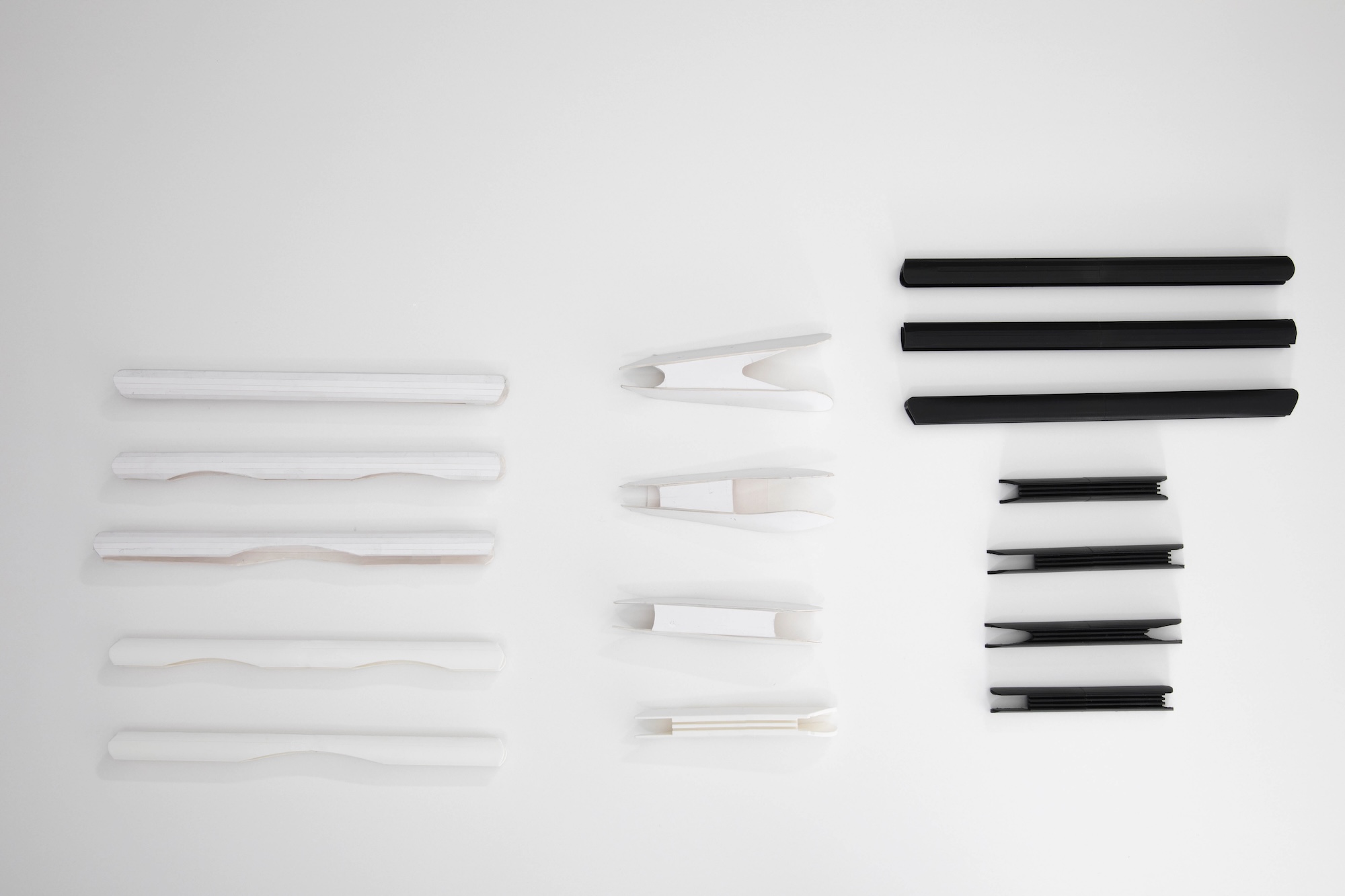
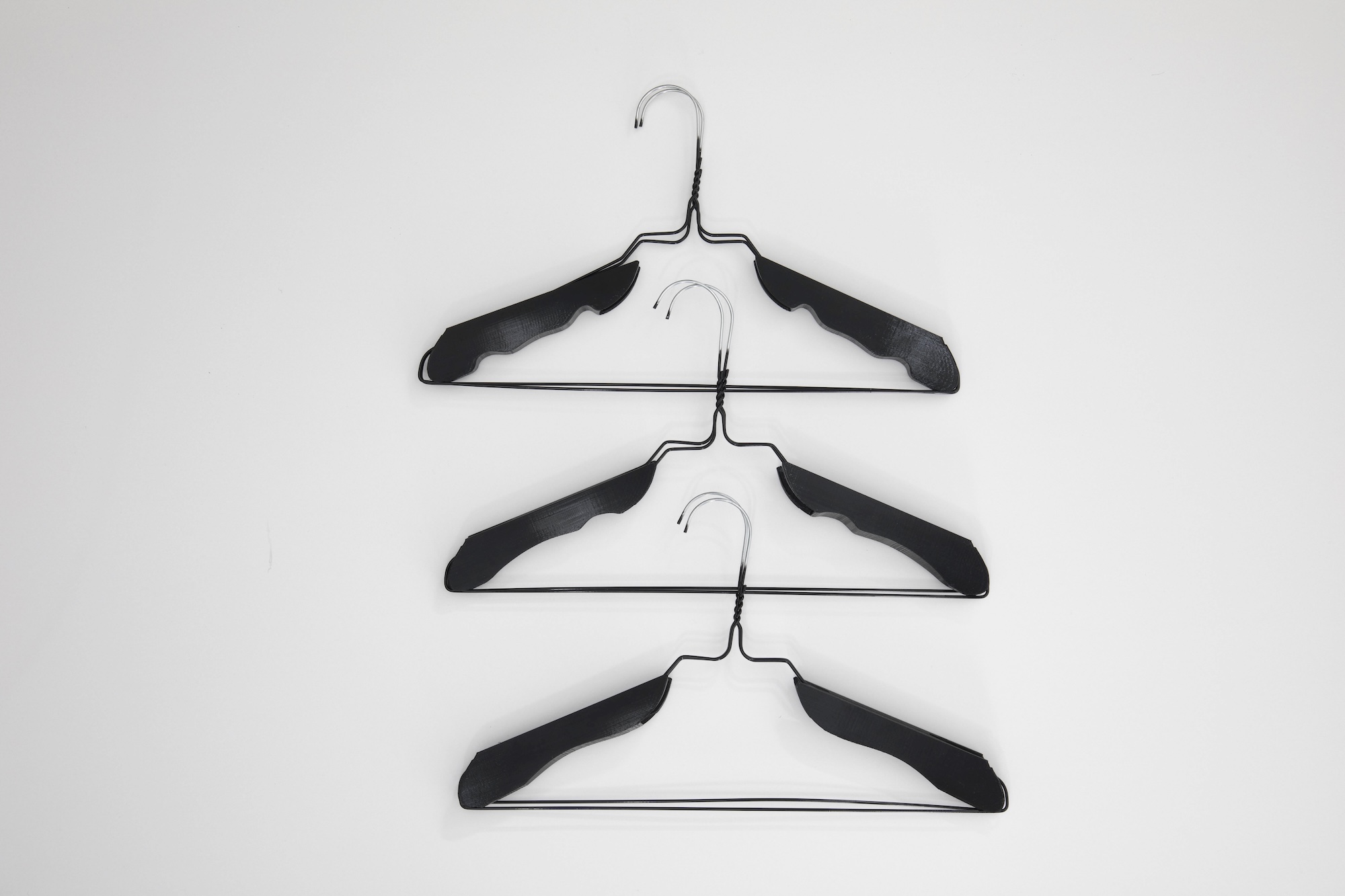
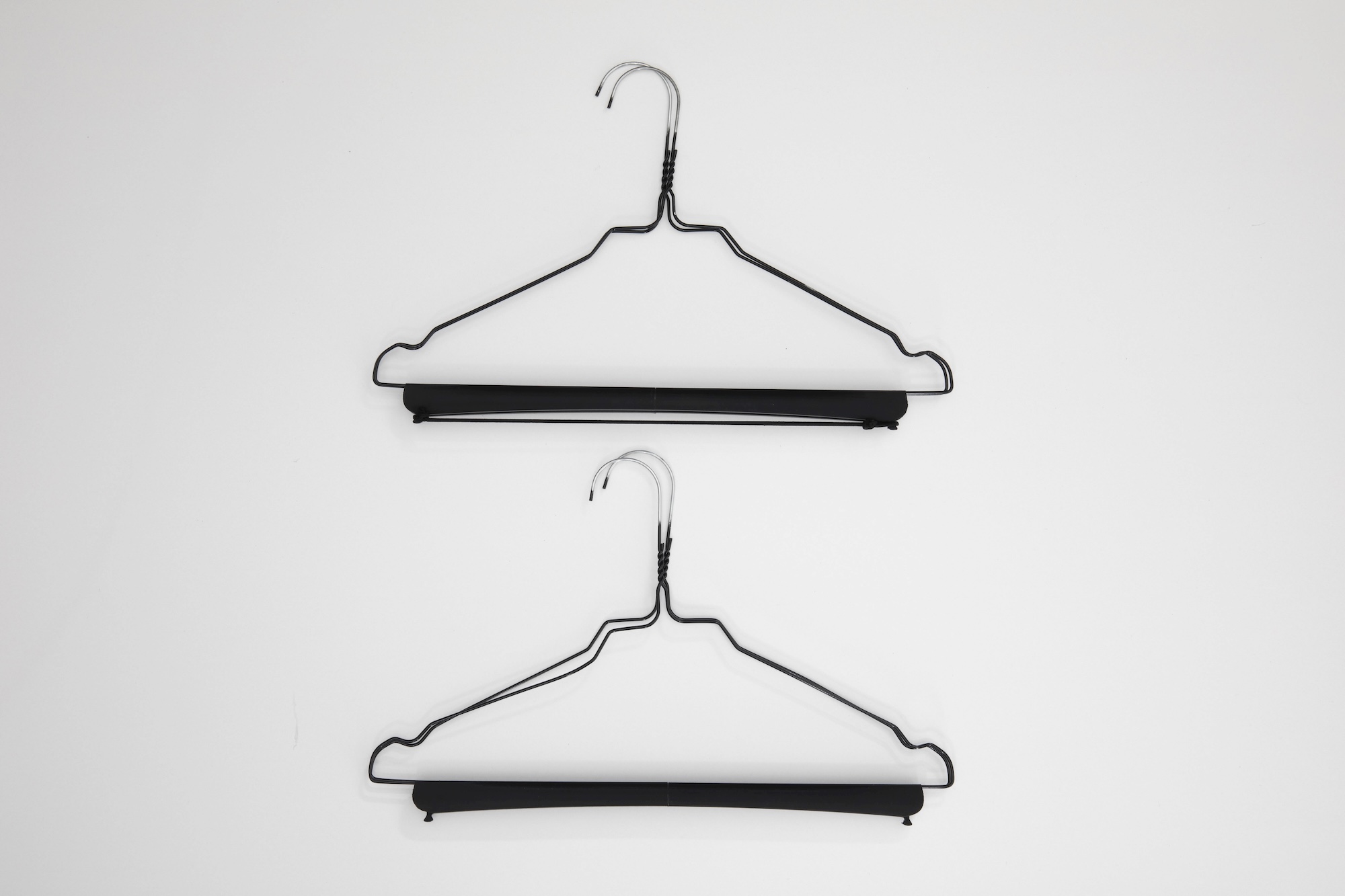
MODULAR HANGERS
The project reimagines transport hangers as modular units connected by cellulose-based joints, enabling them to distribute load, prevent garment deformation, and transition directly from logistics to retail display—reducing waste in the process.
Facts
BAYWATCH
2025
Collect the Piece, Read the Trace, Change the System.
Starting from something seemingly insignificant – a piece of plastic on the beach –the class aim to transform it into something meaningful: an idea that can shift how we live, consume, and care for the world around us.
